Podcasting Isn’t Audio Anymore, and Most Advertisers Haven’t Noticed
12/11/2026 | Uncommon Sense
By · 19/11/2026 · 5 min read
The most anticipated entertainment launch in years still took over billboards, basketball courts and country radio. The reason says a lot about how people decide what to buy.
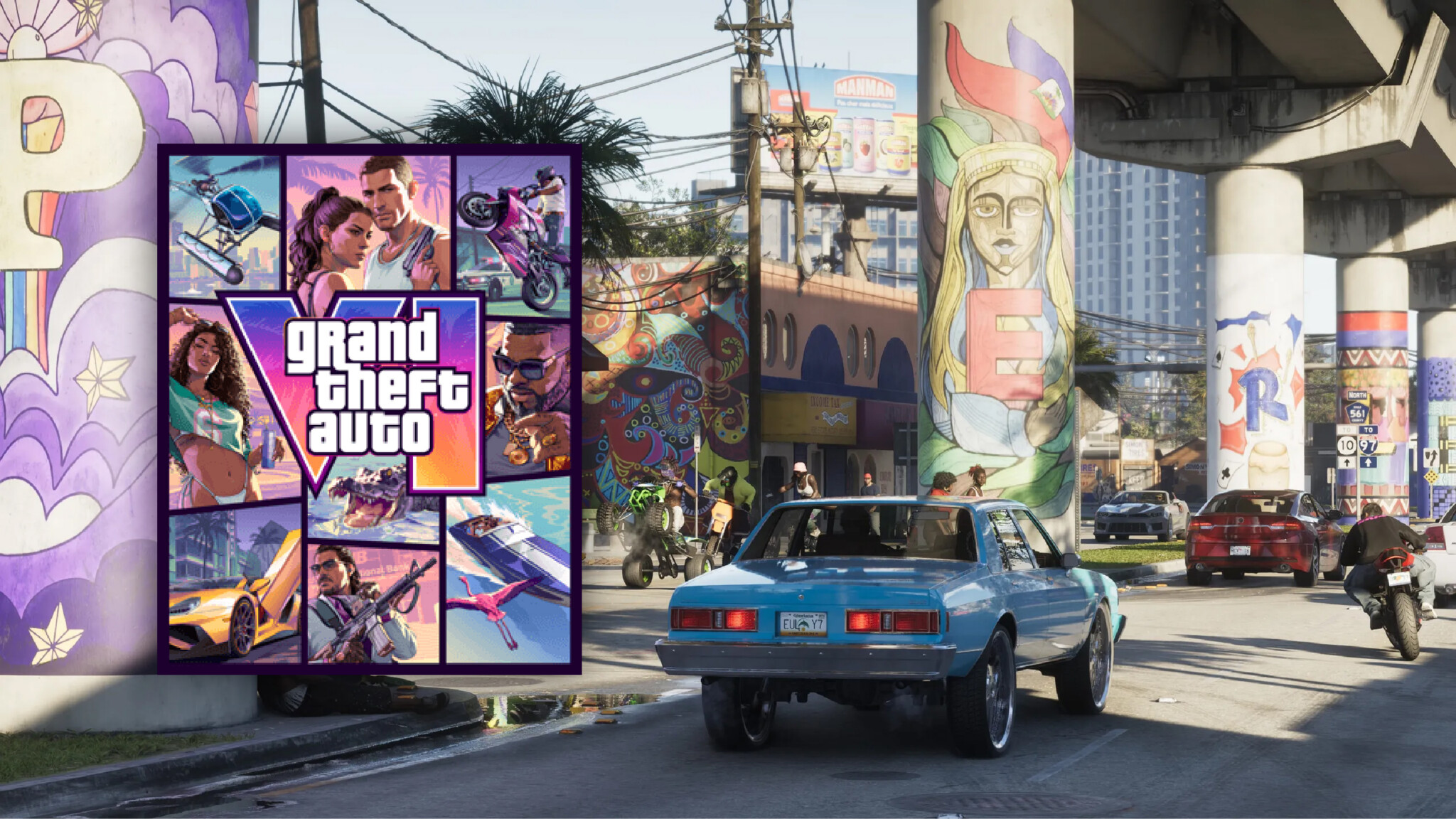
If you don’t play video games, it would be easy to miss how big this week has been. Grand Theft Auto VI, the latest instalment of one of the best-selling entertainment franchises ever made, has finally launched. Its predecessor, GTA V, came out in 2013 and went on to outsell almost every film, album and book of the past decade, and fans have since spent the thirteen years since waiting for a sequel. Rockstar Games, the studio behind the series, revealed the new game in December 2023, went on to delay it twice, and has now released it to a level of anticipation that is hard to compare with anything else in entertainment. The emerging data neither disappoints; before launch day, analysts at Sensor Tower estimated that pre-orders alone had passed 16 million copies.
A product like that has no awareness problem. Everyone who might buy it already knows it exists, and most of them decided long ago that they would. So it’s fair to ask, as The Drum did this week, why Rockstar spent the autumn putting its game on billboards in Paris and Osaka, on a Goodyear blimp over Florida, on a Miami Heat basketball court and in the voice of Morgan Wallen, one of the biggest country singers in America. If people were going to buy it anyway, what was all that marketing for?
The answer is that it was never meant to tell people the game exists. It was meant to turn a purchase into an event, something people feel part of rather than something they simply pick up off a shelf. This is where the thinking behind our own work becomes useful. We build marketing around five innate drives that shape human behaviour: tribe, status, novelty, risk avoidance and mate attraction. These drives were there long before advertising, and they explain most of what makes people choose one thing over another. Rockstar’s campaign is a clear example of all five working together.
Belonging to the right crowd
People are tribal by nature. We look to the groups we belong to for cues about what matters, and we trust a recommendation far more when it comes from inside our own circle than from a brand speaking to everyone at once. Rockstar’s music strategy was built on that instinct. Rather than relying on one big advert, it brought in artists from very different worlds, including rappers, rock musicians and country stars, and had them share the news with their own fans. Each artist acted as a door into a different community, carrying the game to people who might never have seen a games trailer.
Being seen to be early
Status is a quieter drive, but a powerful one. People want to be the ones who know first, who own the thing others want, and who can show they’re part of the moment while it’s happening. Rockstar fed that by taking the game well beyond gaming media, onto fashion magazine covers and into the music charts through a full soundtrack album released on launch day. A premium collector’s edition gave the most committed fans something to display. None of this said much about how the game plays. What it did was make the game culturally visible, so that knowing about it, and talking about it, carried some social value of its own.
Saying less, more carefully
Novelty fades with repetition, so the way to keep it alive is to give people less, not more. After that first trailer in 2023, Rockstar stayed quiet for long stretches. Rather than letting interest drop, the silence handed the conversation over to fans, who filled the gap with theories, breakdowns and countdown videos. Rockstar effectively let its audience do much of its marketing for free.
When the studio did speak, it made sure people would want to watch. In August, a long first look at the game’s gameplay premiered on Netflix, meaning fans were, in effect, choosing to tune in to an advert. That’s a rare position for any brand, and it only works when every appearance feels like a genuine reveal.
Making it hard to wait
Risk avoidance is the drive that turns interest into a purchase. Most people don’t like to feel they’ve missed out, especially when friends, family or colleagues are all talking about the same thing. The closer launch day came, the more Rockstar and its partners made the release feel like a shared moment, with a 24-hour launch livestream on YouTube, launch-night screenings and players able to download the game in advance so it was ready the second it unlocked. Each of these made waiting feel like the riskier choice.
Rockstar also took care of its own risk. Both delays were explained as time needed to get the game right, and Take-Two, Rockstar’s parent company, ruled out intrusive in-game advertising for a game people pay full price for. Both decisions protected the trust that the whole launch relied on.
Selling a world people want to be seen in
Mate attraction is the subtlest of the five here, and Rockstar handled it through tone rather than any single tactic. Vice City is sunshine, neon, fast cars and glamour, and the music and fashion partnerships placed the game alongside style and desire rather than in a gaming niche. Nobody is told the game will make them more attractive. The world it shows is simply one people want to step into and be associated with.
What other brands can take from it
Very few brands will ever launch with millions of pre-orders, but the principles behind this campaign work at any scale. Partners chosen for the loyalty of their audience will usually do more than a broad media buy. Marketing that people would choose to watch costs far less to get noticed. Silence, used deliberately, gives an audience room to build excitement on its own. And the strongest campaigns meet people where they already gather, whether that’s their city, their team or their favourite artist, rather than asking them to come to the brand.
GTA VI didn’t need advertising to be known. It used advertising to make the launch something people wanted to be part of, and that is what makes people buy. The lesson for brands of any size is to understand which drive really moves the people they want to reach, and then build the campaign around it.