
The car that flew, and the brand that never needed to advertise
21/10/2026 | Uncommon Sense
By · 10/07/2026 · 4 min read
Whatever an algorithm has decided you’re into, gardening, sport, or math rock, it will eventually surface a podcast clip about it. That’s not an accident. It’s the machinery of discovery doing exactly what it’s built to do.
Two things can be true of that machinery at once. Podcasting is booming: global listenership has passed 550 million, US ad spend is closing on $3 billion, every metric that measures the size of the channel is climbing. And podcasting is also getting muddier. More crowded. Harder for a brand to find, let alone secure, the one show that will actually do their product justice.
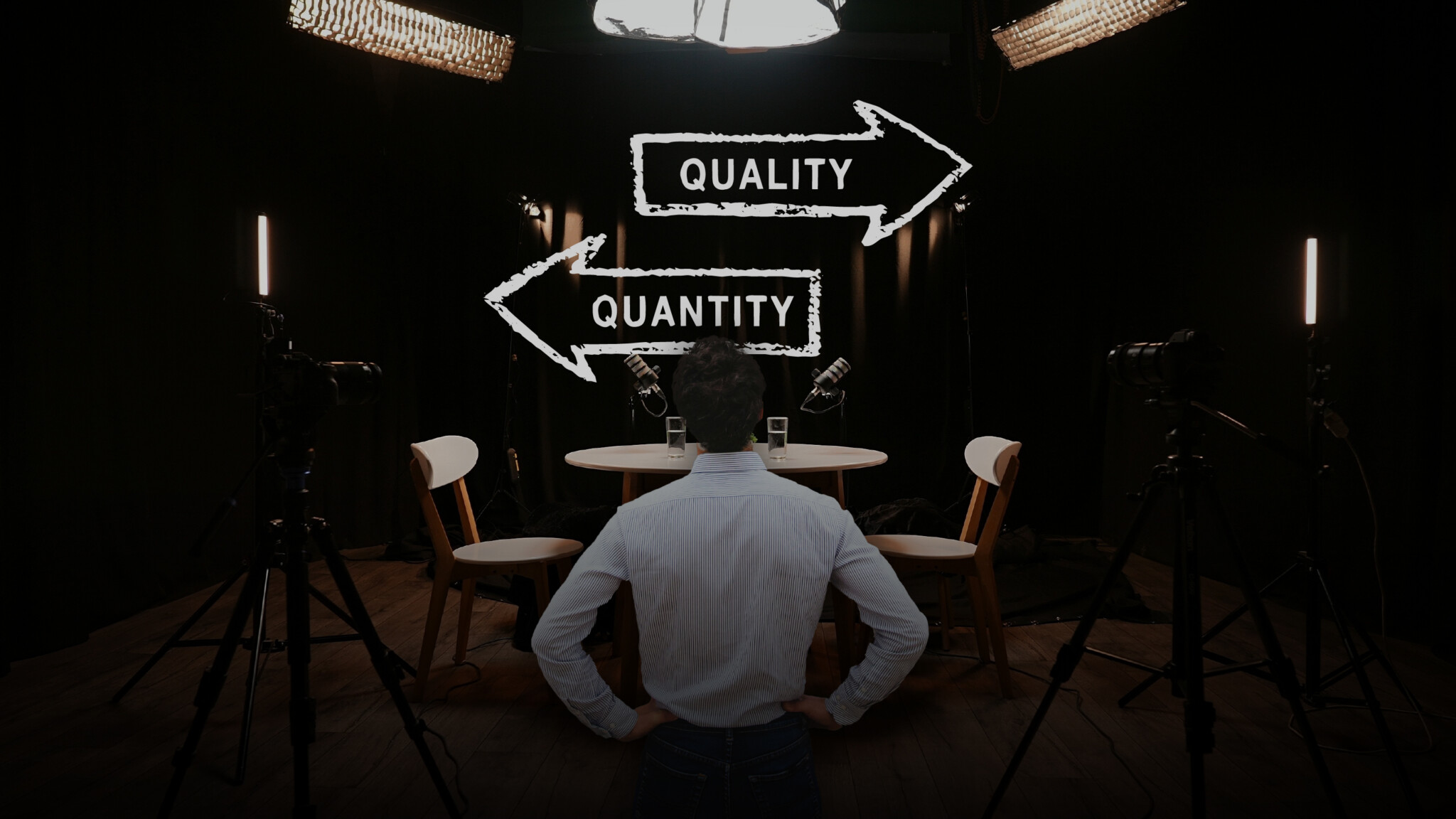
Here’s the mechanism nobody spells out. Picking one show carefully has never been hard. The problem is that most podcast advertising isn’t bought one show at a time. It’s bought in bundles, sized to hit a reach target across dozens of shows at once. A bundle that size can’t be hand-picked. It gets filled with whatever’s available, and the available pool is now over four and a half million shows deep, most of them mediocre. The bundle doesn’t get better because the market got bigger. It gets diluted, because the ratio of good shows to average ones hasn’t changed, only the volume around them has.
The trap: buying a bundle instead of a relationship
Roughly one in ten podcasts is still actively releasing. That’s a real constraint on the pool of shows worth being in, whatever the total count. Three ways the bundle approach catches advertisers out regardless:
Discovery doesn’t transfer. A show that gets found through YouTube’s algorithm behaves nothing like one built on Apple’s loyal RSS base. Buy for one, plan for the other, and the campaign quietly underperforms without ever showing up as a failure on a report.
Churn eats the buy. Thirty to sixty per cent of new shows go quiet within a year. A bundle-based plan is a bet that most of what you bought will still exist when the campaign reports back.
Audience size hides audience attention. Five shows with 50,000 listeners each can add up to the same reach as one show with 250,000 devoted listeners, on paper. They are not the same buy. The single show has an audience that chose to be there and stayed; the bundle mostly has an audience that happened to be listening to something when an ad played.
The industry’s answer to all of this has been more: more platforms, more formats, more AI-assisted production, more programmatic inventory. None of that fixes the actual problem, which is that most of the growth is in volume, not in the kind of show worth advertising on.
What actually works: an endorsement, not a script
Two things get called “podcast advertising” and they are not the same product, even when they sound identical on paper.
A feed ad is inserted after the fact: the same clip dropped programmatically into an ad slot across thousands of episodes, regardless of who’s hosting or what the episode is about. The host has no part in it.
A host-read ad is meant to be the host, in their own voice, telling their audience about something they’d plausibly recommend. That’s the format that converts, in theory: 60-70% recall against 24-31% for feed-inserted ads.
But format isn’t substance. Most listeners have noticed the pattern by now: the same product mentioned on every show in a category, regardless of what the show is about or whether the host has any real connection to it. The host is technically reading it in their own voice. Nobody believes it’s their own opinion. That’s a host-read ad wearing the format of trust without the relationship that’s supposed to produce it, bought at a scale where genuine endorsement was never possible in the first place.
Listeners can tell the difference between a host recommending something and a host being paid to sound like they’re recommending something. The first still converts. The second is starting to read as background noise, however good the format’s recall numbers looked on a media plan.
Who’s already done the work
Most advertisers can’t tell the difference from the outside; they’re buying a bundle, not a relationship. Uncommon Adspace doesn’t work that way.
We don’t put a brand on a show because the slot was free. We pair a brand with a publisher on two things: a show you’re genuinely drawn to, and one we think is the right fit for what you’re selling, whether or not it’s the obvious pick. That takes a catalogue big enough to have real options in it, not just the two or three biggest names, and the relationships to know which ones actually make sense for you before we suggest them.
We represent dozens of impactful, independent shows, each one signed because the host has already built an audience that trusts them, not because they had an open ad slot to fill. Getting a genuine host-read placement on shows like these isn’t something a programmatic buy at scale can replicate. It’s a relationship, matched to fit, that we’ve already built before you needed it.
That’s what “alternative media advertising” should mean: not a slot filled at scale, a publisher chosen because they’re actually right for you.
The point
The podcast industry isn’t short of ad slots. It’s short of hosts worth being read by, and shorter still of anyone who’s already worked out which ones they are, and matched them to the right brand.
We have. That’s the whole pitch.
Tell us what you’re selling. We’ll tell you who’s worth reading it.