The John Lewis Ad Isn’t Wrong About Britain.
05/11/2026 | Lee Taylor
By · 12/11/2026 · 3 min read

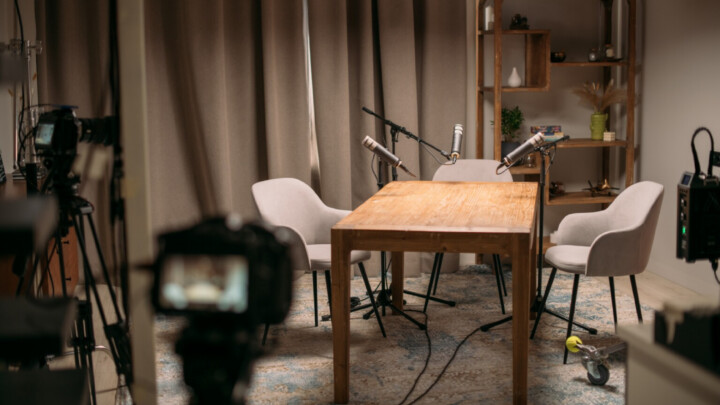
Ask most people to picture someone listening to a podcast and they’ll describe earbuds, a commute, maybe a dog walk. That picture is already out of date. The format built its reputation on audio intimacy, and the fastest-growing part of its own audience is now sat in front of a screen.
The audience moved to the screen
Three figures from this year’s research make the point hard to ignore. Video podcast consumption rose from 58% of weekly UK podcast consumers in 2023 to 72% in 2026, according to Edison Research’s UK Podcast Consumer 2026 report. Smart TVs went from the most-used viewing device for 4% of consumers in 2023 to 10% by the first quarter of 2026. And for the first time on record, YouTube overtook Spotify as the UK’s most-used podcast platform among weekly listeners, 29% to 28%.
None of this means audio is finished. The same report puts audio-only listening at 87% of weekly consumers, so most people still listen as well as watch; this is addition, not replacement. The underlying audience is still enormous and still growing. RAJAR’s MIDAS Spring 2026 survey puts weekly audio reach at 96% of UK adults aged 15+, averaging 27.3 hours of listening a week, with total listening hours up 7% since Spring 2024. What’s changed isn’t whether people listen. It’s where the growth is actually happening, and advertisers still buying against the old picture of podcasting are, at best, buying half the story.
Why trust is shifting to the human voice
Here’s what makes this moment worth acting on now rather than in twelve months. As podcasting moves onto bigger screens, audiences are becoming markedly less tolerant of anything that isn’t a real person behind the voice. 85% of listeners disapprove of AI hosting podcasts outright, and 72% see AI as a direct threat to podcast credibility, per the same Edison Research study. That scepticism isn’t a blanket rejection of the technology: 66% approve of AI conducting research and 64% approve of it brainstorming ideas. The objection is specific. It’s not to AI doing supporting work. It’s to a synthetic voice standing in for a trusted one.
That distinction matters commercially. Every other channel, from search results to social feeds, is filling up with content that’s cheap to generate and increasingly hard to tell apart from the real thing. Podcasting, built on a named host building a relationship with a named audience, is one of the few formats where authenticity is structurally difficult to fake, and listeners are telling researchers, in large numbers, that they notice the difference.
What this means for advertisers
Put the two trends together and the opportunity gets specific. The audience is growing, it’s moving onto bigger screens, and it’s placing a higher premium on hosts it trusts, three things happening at once. That’s precisely the environment in which scripted-at-scale advertising underperforms and genuine host-read endorsement earns its keep, because the quality that makes a host worth watching on a television screen is the same quality that makes their recommendation worth believing.
The case for buying host-read placements on independent, trusted publishers rather than spreading one script across whichever feed will take it isn’t theoretical. It’s what the data says the audience is actually doing right now.
Ready to put your advertising in front of an audience that still trusts the voice it’s hearing? Get started with Uncommon Ad Space, or view publishers to find the right fit for your brand.