Our Approach
Insight Not Ideology
The marketing industry spent the better part of a decade testing a hypothesis: that brands should use their advertising budgets to lecture consumers about social justice, climate guilt and identity politics. The results are in. The hypothesis failed.

What is "non-woke marketing"?
Non-woke marketing does not mean offensive marketing. It does not mean deliberately provocative campaigns designed to court controversy. And it does not mean pretending social issues don’t exist.
It means marketing that prioritises the customer over the cause. Marketing designed to sell products rather than signal virtue. Marketing grounded in evidence about how people actually make purchasing decisions – not in the ideological preferences of whoever runs the brand team.
The industry calls it purpose-driven advertising, and it has become a preoccupation with marketing departments everywhere. They are obsessed with public virtue-signalling at the expense of focusing on the fundamentals.
When Gillette tells its own customers they are part of the problem with “toxic masculinity”, that is purpose-driven advertising. When Nike builds its brand identity around social activism rather than athletic performance, that is purpose-driven advertising. When Oatly tries to terrify consumers into buying oat milk by warning them about climate catastrophe, that is purpose-driven advertising.
The pattern is always the same. A brand decides its job is no longer to serve its existing customers but to educate them – or, worse, to replace them with a more ideologically sympathetic audience.
How did we get here?
Many people who work in marketing went to university, and pretty much all of them did one of the humanities subjects. The domination of universities by the Left, particularly in the humanities and social sciences, is well documented. These professors have been left unchecked to advocate identity politics and even go so far as to mark down students who don’t sign up to their divisive view of the world.
This has been going on for years. While most of us laughed when someone went to university to do media studies (or something equally peculiar), the joke was on us. All of those graduates went on to secure roles in ad agencies, publishing houses, marketing departments and numerous other institutions. They brought their worldview with them, and now it runs the show.
The investor Terry Smith put it well when he attacked Unilever for its “ludicrous” focus on social agendas. (One of Unilever’s brands is the ice cream maker Ben & Jerry’s, possibly the worst offender when it comes to corporate virtue-signalling.) Smith’s verdict was blunt: “A company which feels it has to define the purpose of Hellmann’s mayonnaise has, in our view, clearly lost the plot.”He was right. But the rot runs deeper than mayonnaise.
Some brands are starting to notice the danger. See how McDonald’s quietly rebranded its DEI for one example of a company walking it back.
Case Study
Bud Light: $1.4 billion in lost revenue
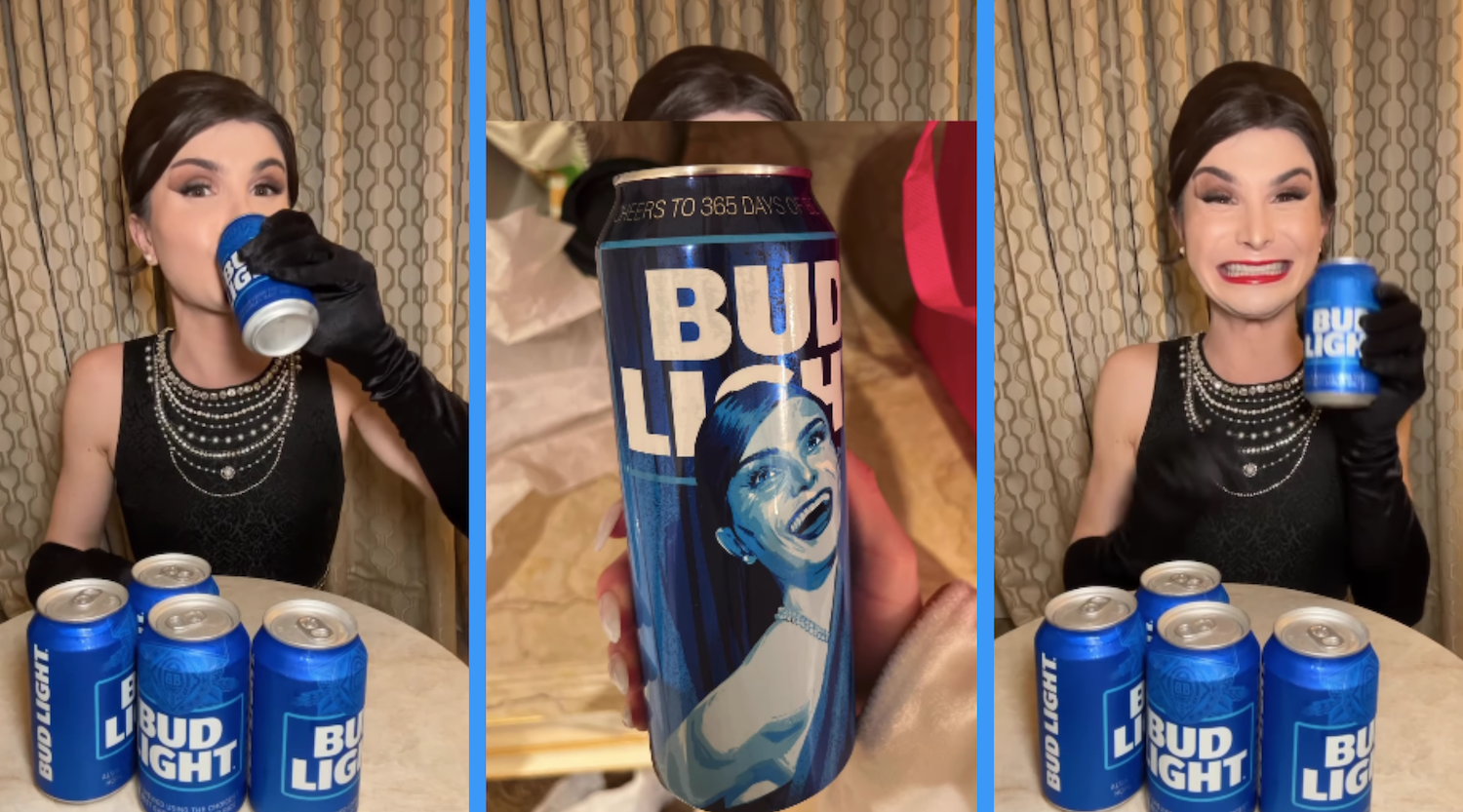
In April 2023, Bud Light partnered with transgender influencer Dylan Mulvaney for a promotional Instagram post. What reportedly cost around $15,000 to produce triggered more than a billion dollars in lost revenue.
Anheuser-Busch InBev’s North American organic revenue fell by $1.4 billion in 2023. The company lost $27 billion in market value. Sales dropped by roughly 30% year-on-year and have never fully recovered. Modelo Especial overtook Bud Light as America’s best-selling beer – a position Bud Light had held for more than two decades.
Bud Light’s marketing vice president had publicly stated she wanted to move the brand away from its “fratty” image and make it more “inclusive”. She was, in effect, telling the brand’s existing customers that they were the wrong kind of people – and that she intended to find better ones. The customers obliged by leaving.
What makes the case so instructive is the complete disconnect between the people making marketing decisions and the people actually buying the product. When your core audience is blue-collar American men and you signal membership of a cultural tribe that is actively hostile to that audience, you should not be surprised when they conclude that the brand is no longer for people like them. Once that perception takes hold, it is almost impossible to reverse.
Case Study
Gillette: $8 billion writedown
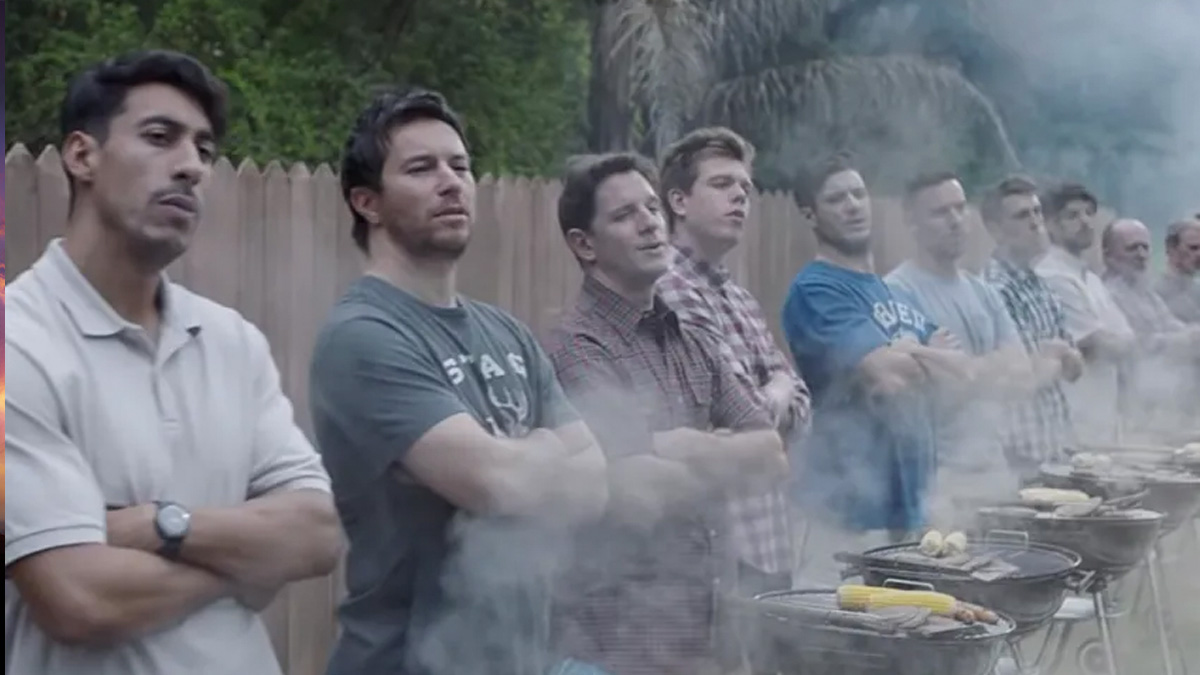
In January 2019, Gillette released “We Believe: The Best Men Can Be” – a short film that reframed its famous tagline to lecture its overwhelmingly male customer base about toxic masculinity, bullying and sexual misconduct. In less than two minutes they managed to alienate huge swathes of their customers.
Later that year, Procter & Gamble took an $8 billion non-cash writedown on the Gillette brand. P&G’s CFO pointed to new competitors and pricing pressure from brands like Dollar Shave Club and Harry’s. That is true as far as it goes – but the timing was conspicuous, and the cultural damage was real.
Gillette’s CEO, Gary Coombe, told Marketing Week that losing customers was “a price worth paying”. Not because it is brave, but because it confirms the underlying assumption: that the brand’s ideological positioning was more important than its commercial relationship with the people who actually bought its razors.
The competitors who benefited did not win by counter-signalling. Dollar Shave Club and Harry’s won by selling good razors at fair prices without presuming to lecture their customers about their character. They sold a product. Gillette tried to sell a worldview. The market chose accordingly.
Case Study
Nike: $184 billion in market value eroded
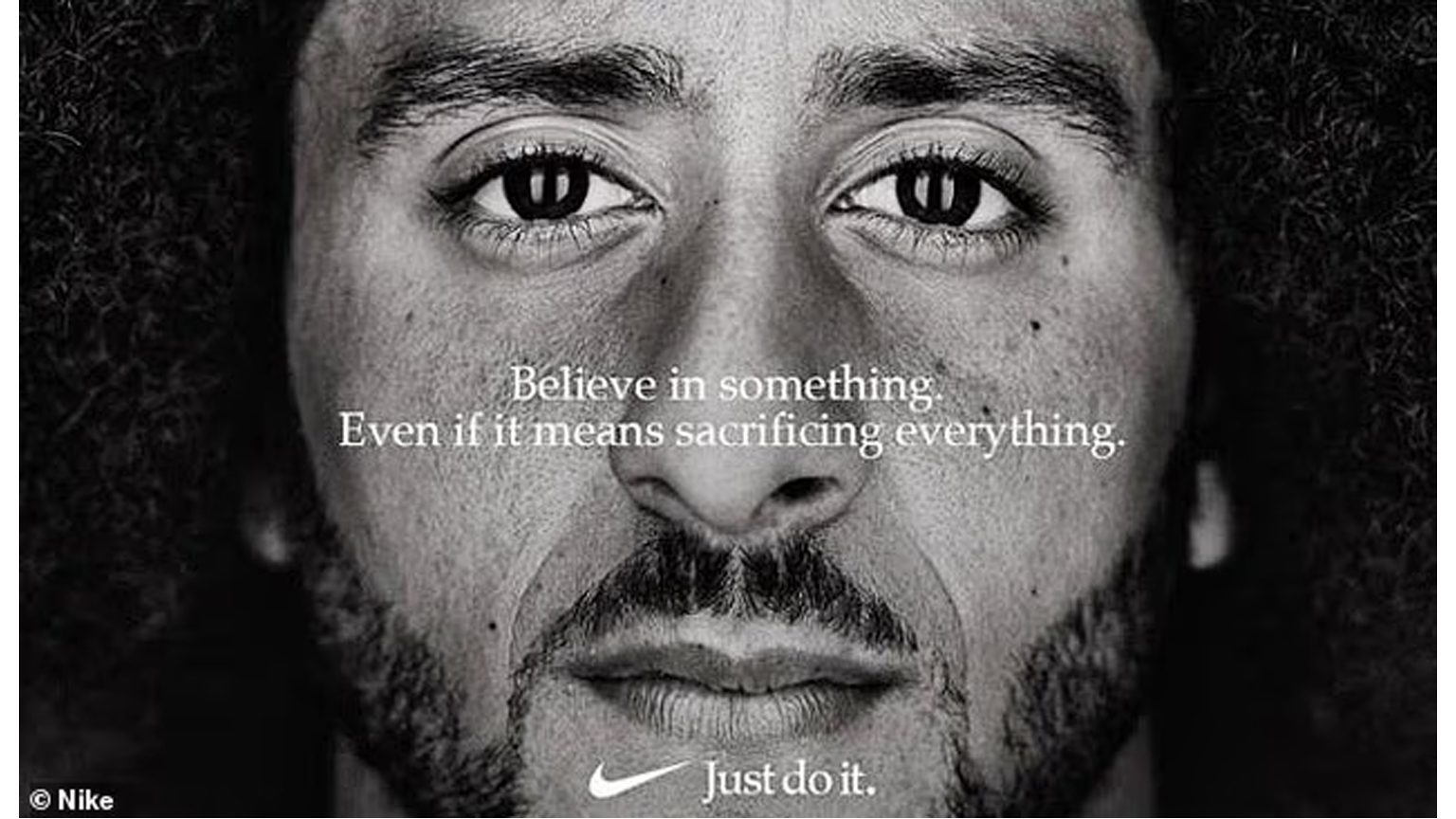
From a peak market capitalisation of $281 billion in November 2021, Nike fell to roughly $97 billion – a loss of approximately $184 billion. The stock has declined every single year since 2022.
Under CEO John Donahoe – an outsider from eBay with no background in consumer products – Nike made a strategic pivot toward direct-to-consumer sales, cutting ties with wholesale partners and reducing its physical retail presence. Competitors like Hoka, On Running and New Balance seized the vacated shelf space and never gave it back. Imagine an FMCG marketer saying “no thanks, we don’t want any shelf space.” That is essentially what Nike did.
Nike had spent years building its brand around social activism – most visibly through its partnership with Colin Kaepernick. The marketing industry celebrated. There was a short-term sales bump. Everyone patted themselves on the back. But while Nike was investing in social messaging, it was neglecting product innovation – the thing that had actually made it the world’s dominant sportswear brand. It forgot how to sell trainers.
Donahoe was replaced in October 2024 by Elliott Hill, a Nike lifer promising to refocus on product innovation. The admission is implicit: the strategy failed. Adidas did the opposite, and it worked. We covered the contrast in full in how Adidas overtook Nike.
Case Study
Oatly: 97% share price collapse
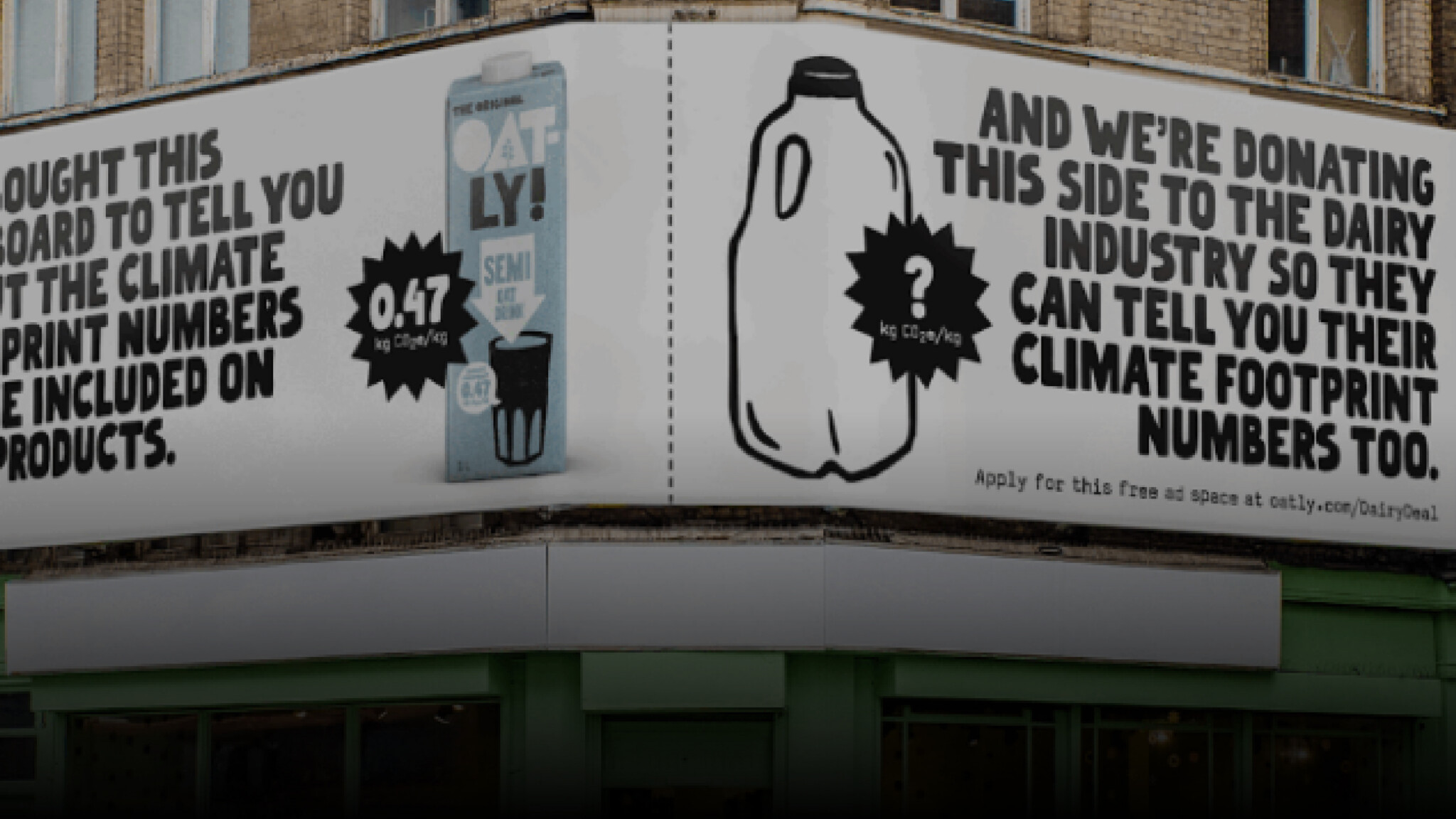
Oatly floated on the NASDAQ in 2021 at a valuation of $10 billion. By late 2025, its market capitalisation had fallen to roughly $411 million. That is a decline of 97%. Cumulative pre-tax losses exceeded $1.2 billion.
The company’s marketing had been built almost entirely around climate activism. Its advertising did not sell oat milk on taste, convenience or nutrition. It sold moral superiority. The billboards did not sell a product – they scolded a population.
In late 2025, Oatly’s CEO Jean-Christophe Flatin said the quiet part out loud. He admitted that years of “doom and gloom” sustainability messaging had backfired, and that consumers were “fed up” with being made to feel guilty about their purchasing choices. US sales of plant-based milk fell by 5% in 2024, while dairy milk sales rose by 1%.
It turns out that terrifying people into buying oat milk is not a sustainable business model. The lesson is not that sustainability does not matter to consumers. It is that sustainability messaging only works when it is subordinate to the product itself. People will pay a premium for something they believe is better. They will not pay a premium to be told they are bad people if they choose something else. The age of climate preaching is over. The only sustainable strategy left is common sense.
Case Study
Jaguar: brand suicide by rebrand
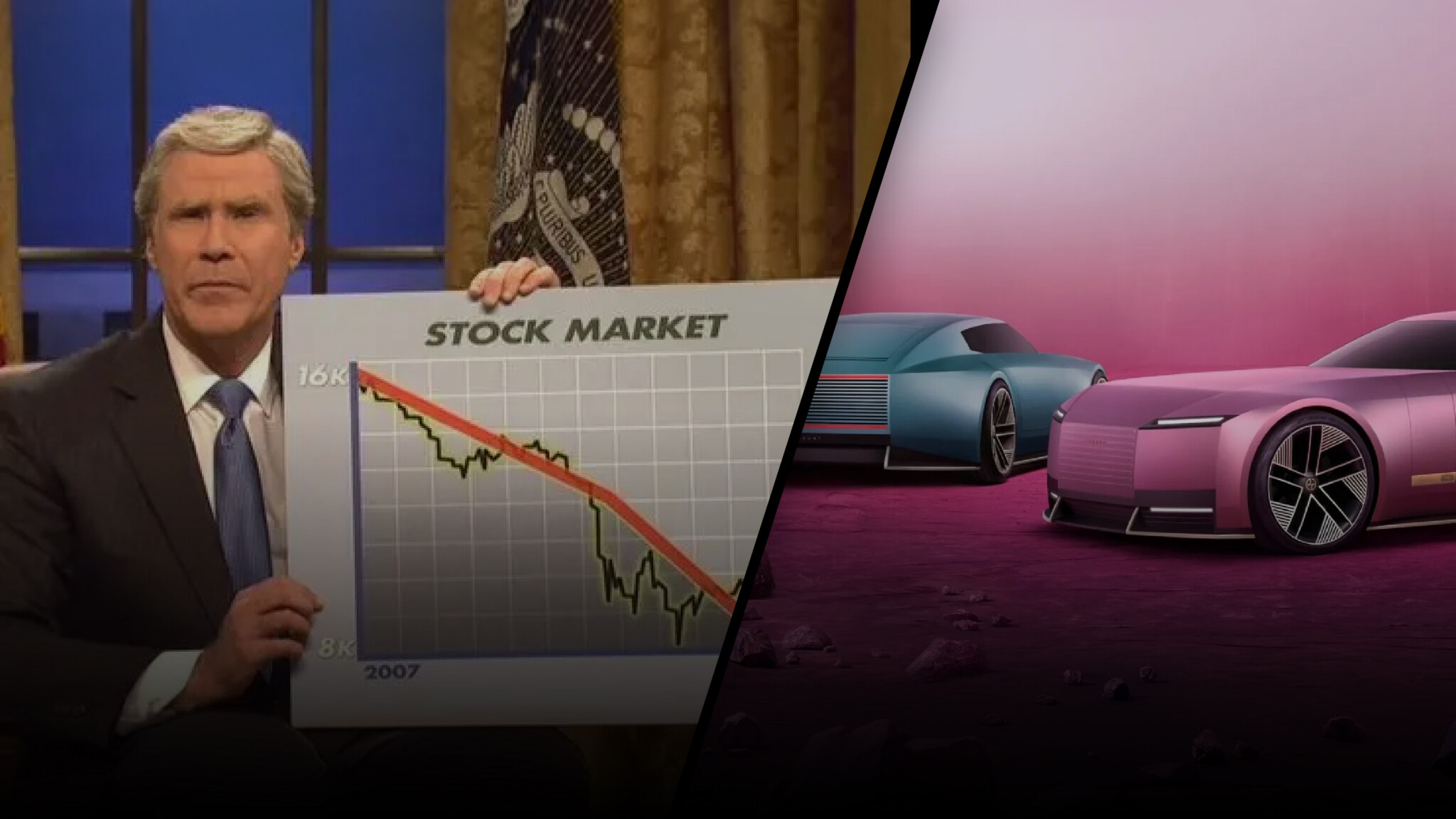
In November 2024, Jaguar unveiled a complete rebrand. The leaping cat – one of the most recognisable logos in automotive history – was replaced with a stylised wordmark. The promotional video featured models in androgynous clothing and theatrical make-up. There was not a single car in sight.
Long-standing Jaguar owners – people who had actually spent £60,000 to £100,000 on the brand’s vehicles – could not recognise the company they had been loyal to. The rebrand was transparently aimed at a younger, wealthier, more progressive demographic that Jaguar hoped to attract as it pivoted to electric vehicles.
The problem was not the pivot to electric. The problem was the assumption that Jaguar’s existing brand equity – decades of association with British engineering, understated luxury and sporting heritage – was a liability rather than an asset. The rebrand did not evolve the brand. It amputated it.
One year on, the consequences are becoming clear. Sales have continued to decline. The brand has alienated its core audience without demonstrably attracting a new one.
The alternative: evolutionary consumer psychology
Marketing is there to drive awareness, understanding and sales of products. It does this best when it can get into the mind of the customer – really understand them – and then articulate the right message, at the right time, in the right context.
Human purchasing decisions are rooted in biological drives shaped over millennia. Status signalling. Mate attraction. Tribal belonging. Risk avoidance. Novelty seeking. Resource acquisition. These are not cultural constructs that shift with the news cycle; they are deep, evolved mechanisms behind every decision a consumer makes.
The mistake purpose-driven marketing makes is to assume that consumers want to signal ideological virtue rather than personal status. The evidence consistently shows that traditional status signals – quality, exclusivity, craftsmanship, success – are far more powerful drivers of purchasing behaviour across most categories and demographics. Even the most ideologically captured industry of all is starting to turn: the signs are clear that fashion is leaving wokeness behind.
A Rolex does not tell better time than a Casio. But it tells the world something about its wearer, and that is what the buyer is really paying for. Understand that, and you understand marketing.
At Uncommon Sense, we combine evolutionary consumer psychology with real digital expertise to build campaigns that target innate needs, preferences and drives. We don’t agree with postmodern thinking, play identity politics, or blindly follow social justice agendas. We go beyond these ideologies to deliver marketing rooted in evidence, not trends.
The power shift is already happening
The brands that are winning right now are the ones that have quietly dropped the ideology and gone back to fundamentals. Dollar Shave Club outsold Gillette by making better value razors without the sermon. Modelo outsold Bud Light by being a beer that did not come with a political opinion. Hoka and On Running are eating into Nike’s market share by making excellent running shoes and letting the product do the talking.
Consumers have more choice than ever, more information than ever, and less patience than ever for brands that treat them as ideological props rather than paying customers. The audiences those brands walked away from did not disappear. They moved to independent media. The brands that understand this will thrive. The ones that don’t will join Bud Light in the cautionary tale file. We work both sides of it, advising the publishers themselves on audience growth and advertising revenue,. In addition to this, people find brands differently now, through search results and AI answers rather than broadcast.
It is time to drop the nonsense and go back to what marketing does best. Not only for the sake of your reputation in the boardroom, but for the millions of individual consumers being alienated by brands they used to trust.

Work with us
Insight Not Ideology
Uncommon Sense is a UK-based marketing agency that builds campaigns around evidence, not ideology. We use evolutionary consumer psychology, behavioural science and rigorous performance data to create marketing that actually markets. That runs from the website a customer lands on to the campaign that brought them there.
If you are tired of agencies that are more interested in winning awards than winning customers, we should talk.