What Publisher Advertising Agencies Actually Do (and Why Most Brands Buy It Wrong)
26/10/2026 | Uncommon Sense
By · 29/06/2026 · 4 min read
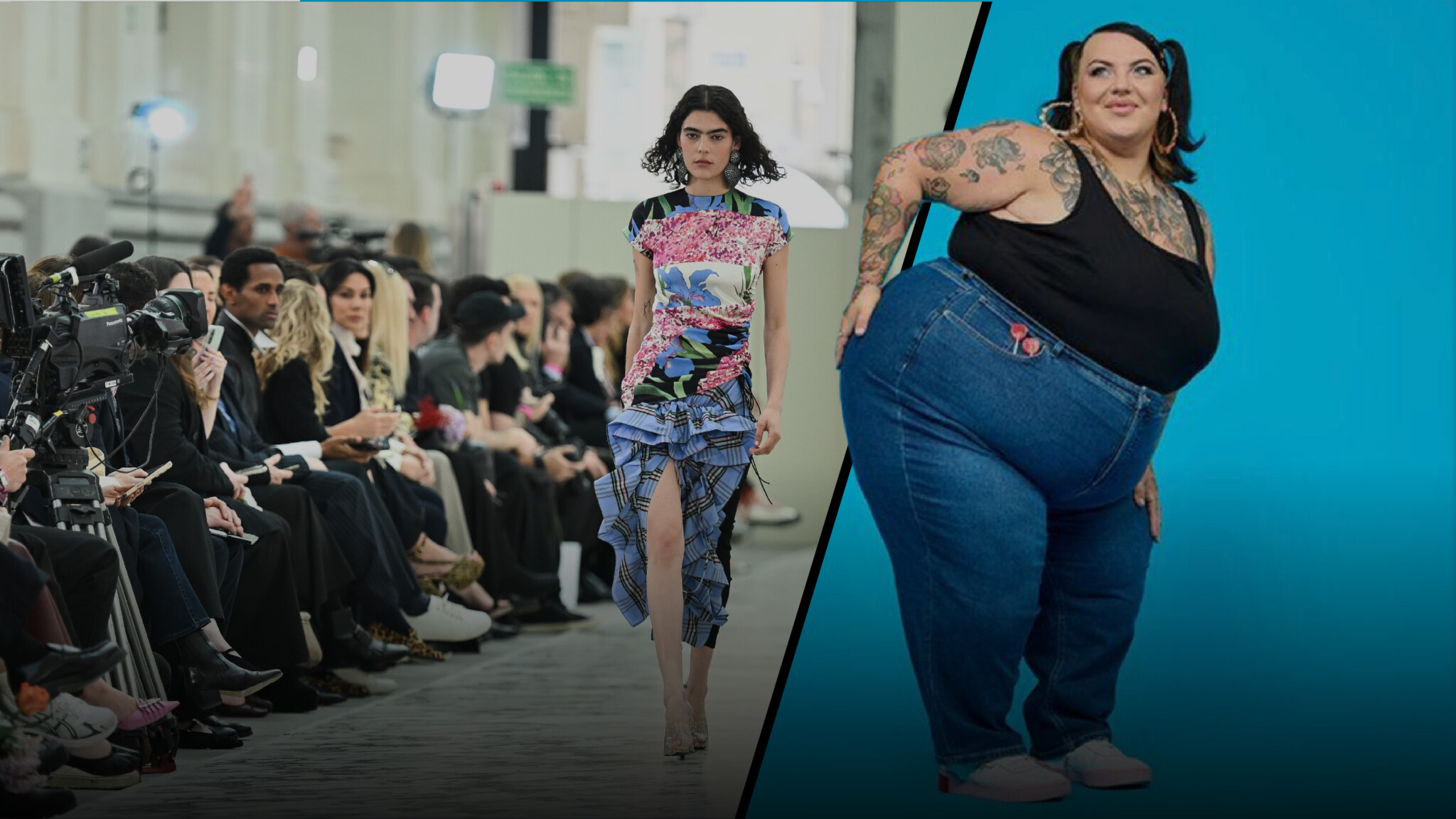
The fashion industry’s progressive commitments may have felt real, but they were never unconditional.
Few cultural movements have merged with commercial strategy as visibly, or as revealingly, as the body positivity movement. Over the past decade, the fashion industry’s relationship with size inclusivity has followed a distinct arc: from cautious experimentation, through enthusiastic adoption, to what data now suggests is a quiet retreat. Understanding that arc, and what drove each stage of it, offers a useful lens for examining how the fashion industry responds to cultural pressure, and what this response truly tells us about values-led marketing.
The body positivity movement itself long predates its tenure in the fashion industry. Rooted in 1960s “fat liberation” activism, it was never designed to be a marketing framework. What changed in the mid-2010s was the emergence of social media as a mechanism for consumer pressure, and the recognition that the plus-size clothing market – worth over $21 billion, represented a significant commercial opportunity.
Of course, in order to remain popular, brands had to respond. Aerie’s “#AerieReal” campaign, launched in 2014, committed to unretouched imagery and diverse model casting, and was widely credited with driving meaningful sales growth (of course, ten years later, its parent company’s revenue would surge for embracing a very different direction). ASOS built size inclusivity into its core brand architecture, whilst Old Navy, Target, and many others, followed the same path too.
The consequences of non-participation were also equally clear: when Victoria’s Secret’s then-chief marketing officer Ed Razek stated that the company would not cast plus-size or transgender models, the response was catastrophic. Sales plummeted, the chief executive resigned, and the fashion show – a fundamental part of the brand’s DNA – was cancelled by 2019.
The Pendulum Swings Back
Whatever the cultural narrative of the early 2020s, the runway data from the latter half of this decade is now pointing in a different direction. Vogue Business’s size inclusivity tracking found that plus-size representation across the four major fashion weeks fell from 2.8% of all model appearances in 2020 to just 0.8% by the summer of 2025. More than 94% of the 8,700-plus looks shown during that season featured models between a US size 0 and 4. These figures represent not a gradual moderation but an abandonment of beliefs that the industry once lost its mind over.
The Advertising Standards Authority’s interventions in 2025 brought a new dimension to the debate. Rulings against Next in February, M&S in July, and Zara on two occasions in August – all for featuring models deemed to appear “unhealthily thin” – reflected a regulatory posture that had been unfolding.
However, the brand responses to these rulings underpinned this cultural shift even more. Rather than the rapid capitulation that characterised industry behaviour during the peak body positivity period, each brand offered a substantive defence. Zara noted that both models held medical certification attesting to their good health, and that images had not been digitally altered beyond minor lighting and colour adjustments. M&S maintained that its model’s pose had been selected to convey “confidence” rather than emphasise slimness. Next even described its model as presenting “a healthy and toned physique”. Such defences represented a notably different approach from that of an industry previously taught to apologise and retreat.
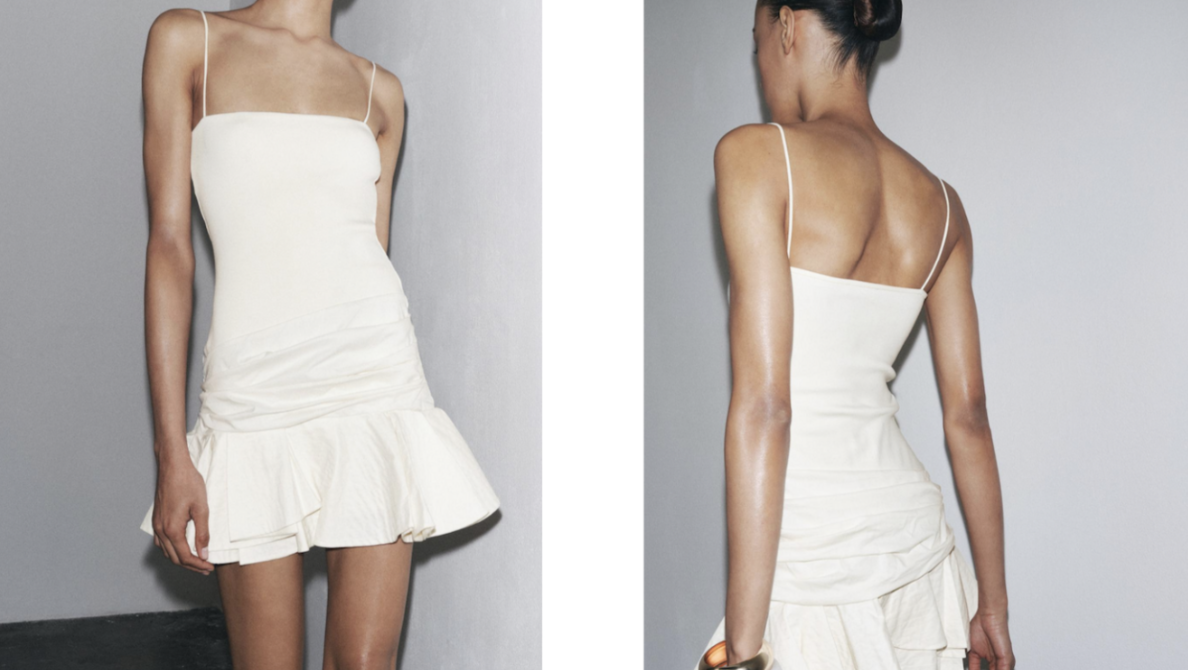
Zara swiftly took down the above advert after the ASA concluded "That the models appeared unhealthily thin, and that the ads were irresponsible."
During the same period, the plus-size tights brand Snag reported receiving approximately 100 complaints per day about the size of its models. The volume is striking: not a handful of dissenting voices, but a sustained, daily wave of public objection. That so many consumers felt compelled to complain at all suggests that the appetite for body positive marketing may be less universal than its peak-period prominence implied.
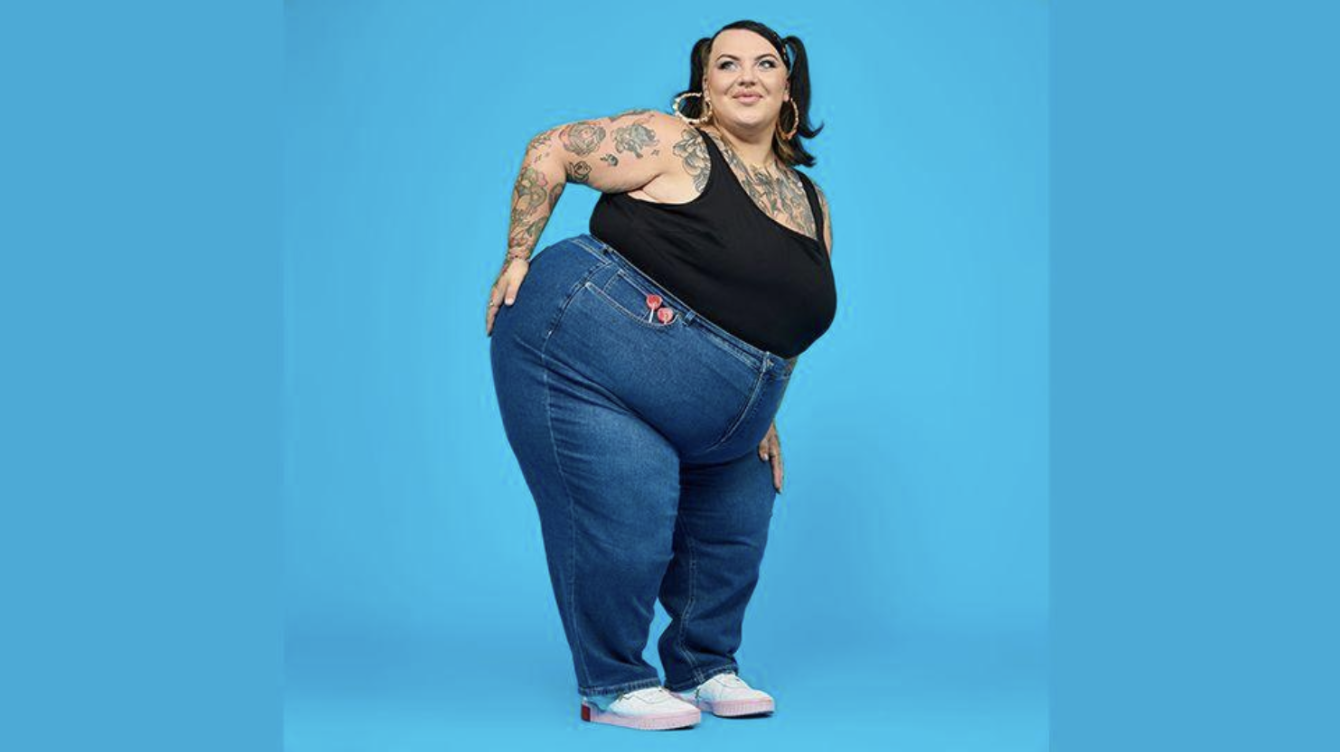
No action was taken on removing the above image from Snag’s website, due to ASA not ruling the above body type as “aspirational”.
Ultimately, the fashion industry’s engagement with body positivity appears less like a moral awakening and more like a case study. When cultural pressure and commercial opportunity suddenly point in the same direction, brands move quickly, and loudly, to embrace inclusivity. But as consumer preferences shift, so too did their commitment.
This does not mean the body positivity movement has completely ended, nor that its influence has disappeared. Rather, it suggests that its translation into marketing was always partial, shaped as much by profit incentives as by principle. The pendulum has not simply swung back; it has exposed the mechanisms behind the swing itself. For brands, the lesson is clear: values-led marketing can drive growth, but only so long as those values remain aligned with consumer demand. For consumers, the takeaway may be more sobering. The presence of progressive messaging in advertising is not, and perhaps never was, evidence of deeply held corporate belief – instead it was only what, at a given moment, happens to sell.
Want campaigns built on what actually drives buying decisions, not what’s trending? Get in touch.