
The car that flew, and the brand that never needed to advertise
21/10/2026 | Uncommon Sense
By · 17/07/2026 · 4 min read
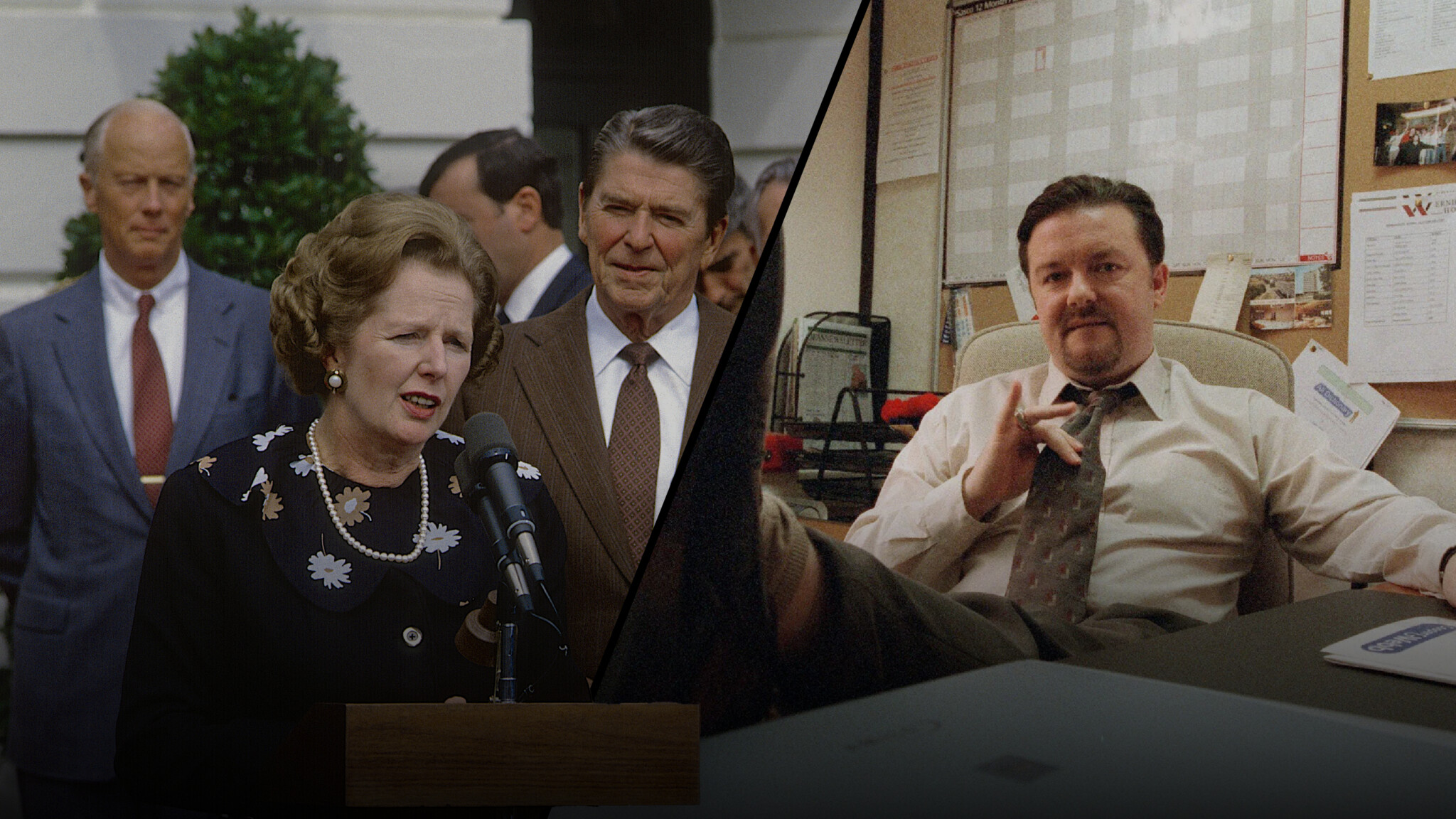
Real leaders are forged under pressure, not credentialed into existence.
You have seen the post. We all have. Someone on LinkedIn announcing, with genuine warmth, that they have completed their Level 5 Award in Leadership and Management, thanking their employer for investing in them, promising to bring their new skills back to the team. Clapping emojis follow. Everyone scrolls on.
The individual is not the problem. They put the hours in, they finished the course, and good luck to them. The problem is the industry that convinced them, along with thousands of others, that a certificate is what turns a manager into a leader. It isn’t. It never has been, and no amount of laminated frameworks will change that.
Leadership is not a body of knowledge. The training sector can’t admit this; its entire business model depends on pretending otherwise. Knowledge you can transfer in a module. You can examine someone on motivation theory, get them to write 2,000 words on situational leadership, even have them role-play a difficult conversation in a hotel conference room off the M6. What you cannot do is examine someone into having authority. That forms under pressure. The decision is yours alone, the consequences are real, and a room full of people is waiting to see whether you flinch. There is no workbook for it. No assessor can mark it.
So where are leaders actually forged? Think of Alex Ferguson at East Stirlingshire in 1974, arriving to find part-time players, no money and famously not even a goalkeeper, learning command in a club that could barely afford to exist. Or the junior handed a project already on fire, no budget and no senior cover, who somehow drags the thing over the line. The feedback in these situations is brutal and it arrives instantly; you cannot fake your way past a team that has stopped listening to you, any more than you can talk a failed project into having succeeded. None of that experience comes with a certificate. All of it sticks for life.
So why are the qualifications everywhere?
Because institutions like their proxies for competence legible and box-tickable, that’s why. HR can defend a certificate on a promotion form; it cannot defend a judgement call. “We promoted her because she held the line when the client threatened to walk” doesn’t fit a competency framework. “She holds an ILM Level 5” fits beautifully. The credential exists to protect the organisation, not to build the leader – paperwork as insurance, in effect, and the leadership development sector has been only too delighted to keep supplying it. No great company was ever created by a competency matrix, though I’d wager plenty of promising people have been quietly filtered out by one.
Here is the real divide, and it has nothing to do with qualified versus unqualified. It is earned authority against credentialed authority. On one side sits the person who has actually carried responsibility, made calls under pressure, paid the price of being wrong and come back for another go anyway. On the other, the person who has collected the paperwork. Occasionally they are the same person. When they are, wonderful. But the paperwork on its own tells you nothing.
Nobody demolishes the credential argument quite like Margaret Thatcher. She read chemistry at Oxford and later qualified as a barrister, and neither fact explains a single day of her leadership. Her authority was hammered out in real fights: the 1975 contest against Heath, when almost nobody senior gave her a prayer; the long war with her own cabinet’s wets; the Falklands; the miners’ strike. Agree with her politics or loathe them, nobody followed Thatcher because of a framed award. They followed her because she had been tested in public, repeatedly, and had not blinked. (I struggle to picture her sitting through a two-day residential on “authentic leadership styles.” My money says the facilitator would have had the harder afternoon.)
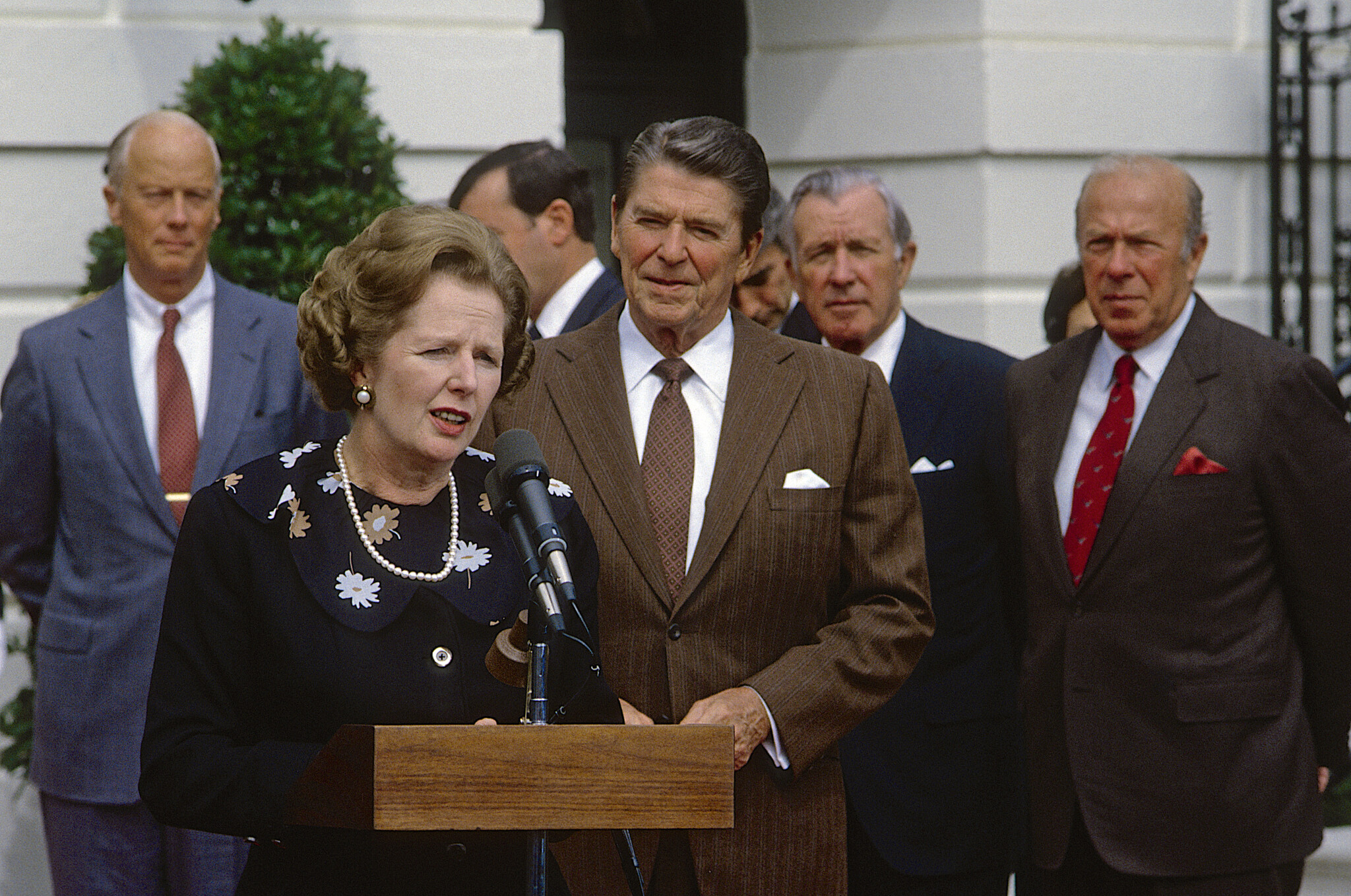
Margaret Thatcher: authority hammered out in real fights, not awarded on paper.
You may say: “But surely the courses do some good? A bit of theory can’t hurt.” A bit, perhaps – in roughly the way that reading a book about swimming helps before you get in the water. There’s nothing wrong with that. The danger is the substitution: the quiet decision that the course is the development, the certificate is the evidence, and a leader must have been produced somewhere along the way because a box got ticked. Organisations that swallow this end up run by people who are brilliant at acquiring credentials and untested at everything else. We have all worked for at least one of them.
If you run a business, the fix is unfashionable rather than complicated. Hand your promising people real responsibility earlier than feels comfortable. Give them something that can genuinely fail, then watch what they do when it starts to wobble. That is your leadership programme. It also costs rather less than the away-day.
The arena does what the classroom only pretends to. Stop paying for the pretence.