The car that flew, and the brand that never needed to advertise
21/10/2026 | Uncommon Sense
By · 28/05/2026 · 4 min read
Cast your mind back to November 2024. Jaguar, once one of the great British marques, released a teaser advert that featured no cars, a parade of androgynous models in pink and orange jumpsuits, and the now-infamous slogan “Copy Nothing.” The internet did what it does. Elon Musk asked, simply, “Do you sell cars?” The mockery was instant. And deserved.
A year and a half on, Jaguar has sold almost nothing. European registrations collapsed by 97.5% in April 2025. Forty-nine cars, down from 1,961 the year before. Forty-nine. You could fit the entire month’s European Jaguar buyers on a single coach and still have room for the marketing team that did this to them. The brand is in suspended animation. Executives still seem to think the problem was insufficient courage. It wasn’t. It was stupidity.
You’d think other luxury marques would have watched and learned. They didn’t.
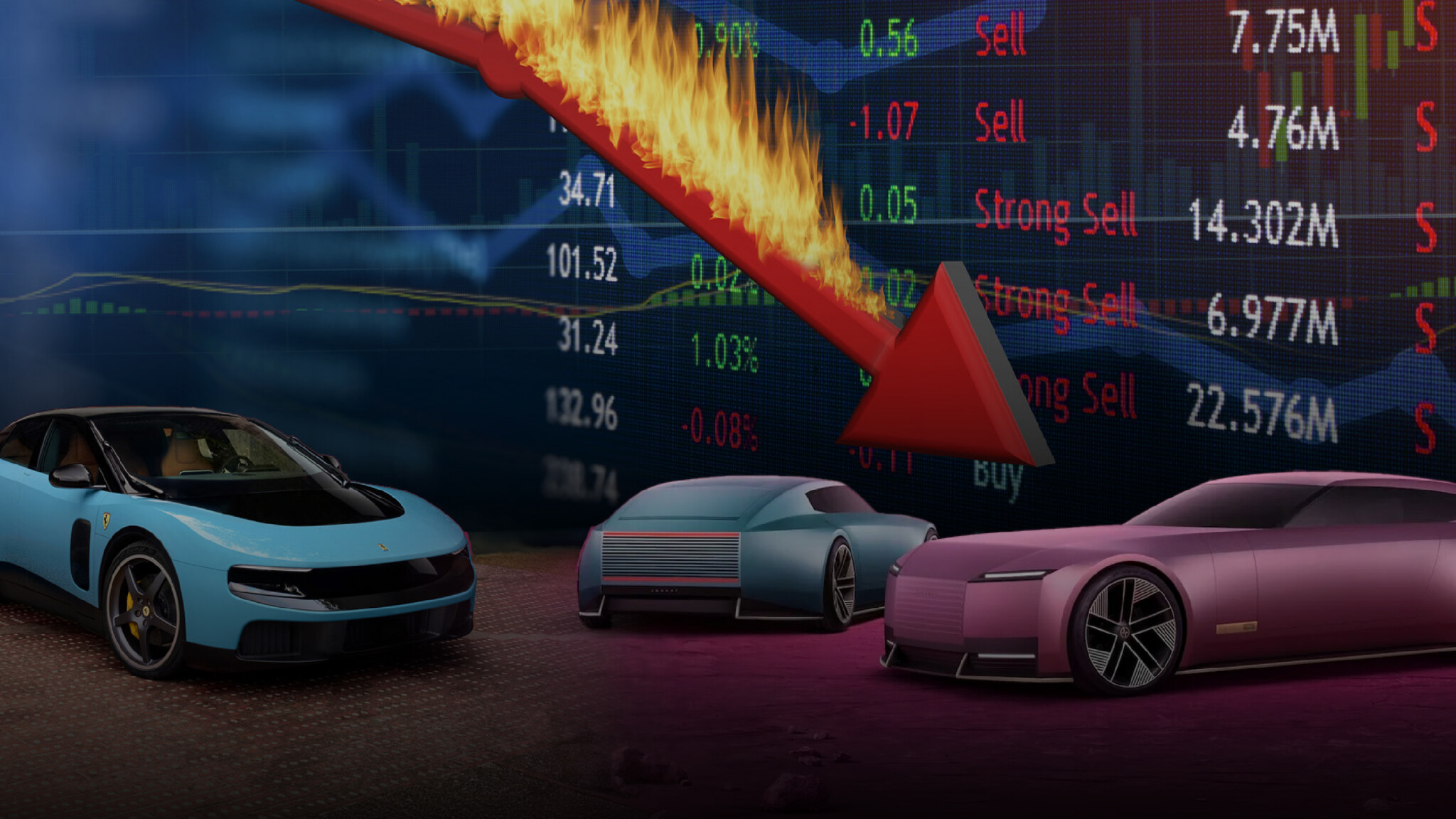
On May 26th, Ferrari unveiled its first full electric vehicle, the Luce. A four-seater. Priced from around €550,000. Over 1,000 horsepower, deliveries late this year, and a Jony Ive-designed interior that several critics promptly compared to a luxury toaster. The share price fell as much as 8% in Milan, wiping billions off the market cap. And that wasn’t even the worst day Ferrari has had lately. That honour goes to last October, when the Capital Markets Day reveal of the same car (then called the Elettrica) and a watered-down 2030 plan sent the stock down 15% in a session. The largest fall since Ferrari listed.
Car Scoops walks through the Luce: 1,035hp, four motors, five seats, 330-mile range, Jony Ive interior.
So why pivot so hard into electrification? Because the people running Ferrari have decided that the future belongs to whoever can most loudly signal compliance with the prevailing climate orthodoxy. It’s the Jaguar playbook with an Italian accent.
Credit where it’s due: Ferrari has been better than most at protecting what it is. For decades it restricted production, kept waiting lists long, refused to chase volume, and resisted the temptation to slap the prancing horse on everything from sunglasses to suitcases. They kept the waiting lists long and the prancing horse off the suitcases. That worked. Order books remain healthy and the ICE and hybrid lines are not going anywhere just yet; the revised 2030 plan targets roughly 40% ICE, 40% hybrid, and 20% full EV, well down from earlier electric ambitions. Which is itself a quiet admission that the original plan was nonsense.
The story Ferrari has told for seventy-five years is one of mechanical romance, Italian craft, and unapologetic excess – luxury, after all, isn’t a product category, it’s a story. The Luce tells a different one. It says: we are sorry for what we used to be, we have heard the regulators, we are now a technology company – the corporate equivalent of an apology tour. TechCrunch’s review of the launch was titled, plainly, “Ferrari’s first EV is not for you.” When TechCrunch is telling your customers they’re not your customers, no investor day spin fixes it.
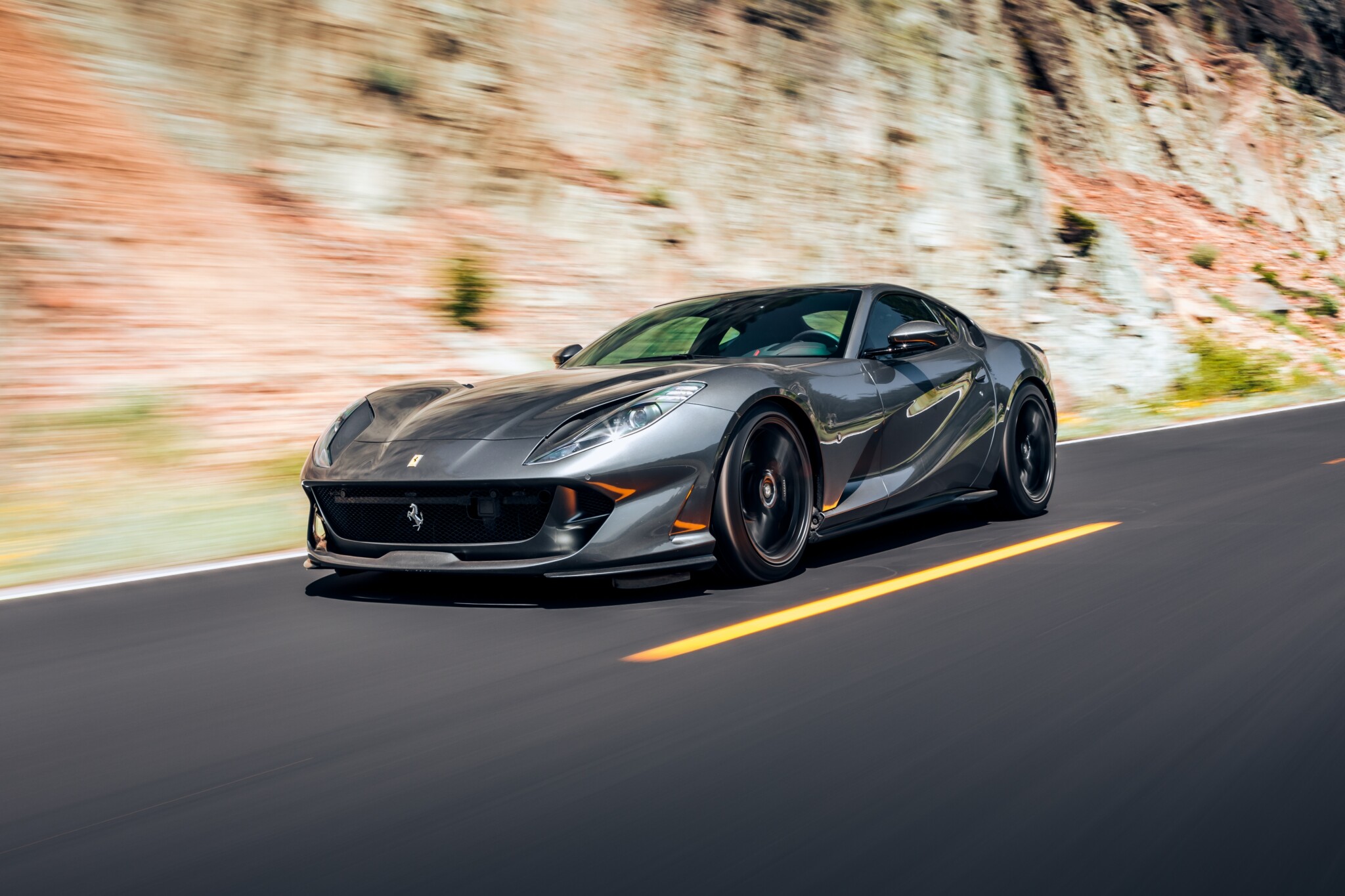
The brand that sold irrational excess now apologises for ever having sold it.
You may say: “But Lee, every car maker has to go electric eventually. EU regulations demand it. Ferrari has no choice.” Partly true. But it’s mostly a cop-out – the other luxury makers are quietly pulling back. Aston Martin has delayed its EV. Lamborghini has been cautious. Porsche went all-in on the Taycan, watched sales fall around 49% in 2024, and has now quietly scrapped its goal of an 80% electric fleet by 2030. The smarter luxury players are realising what the Jaguar disaster should already have taught everyone. Your customers won’t wait around to be told their old taste was wrong.
Then there’s the man in charge. Benedetto Vigna joined Ferrari in 2021 from STMicroelectronics. Twenty-six years there, more than 200 patents, ran the MEMS sensors business. Clever man. Clearly the board’s bet on a “tech-led” future. But Ferrari isn’t a sensor company. It’s a maker of beautiful, loud, irrational machines for people who can afford to be irrational. Putting a semiconductor man in charge of Ferrari is like hiring a structural engineer to compose an opera. The maths might be right. Nobody will cry.
The Luce launch arrived dressed in exactly the kind of corporate language that has hollowed out brand after brand over the past decade. A “new design language.” A “redefinition” of what Ferrari can be. A cabin built around physical buttons and brushed aluminium that several reviewers immediately compared to an Apple product, which is no accident given it’s Ive’s signature, and that’s precisely the problem. Ferrari is not a phone. The whole point of the brand – the entire seventy-five-year proposition – is that it doesn’t get redefined every product cycle.
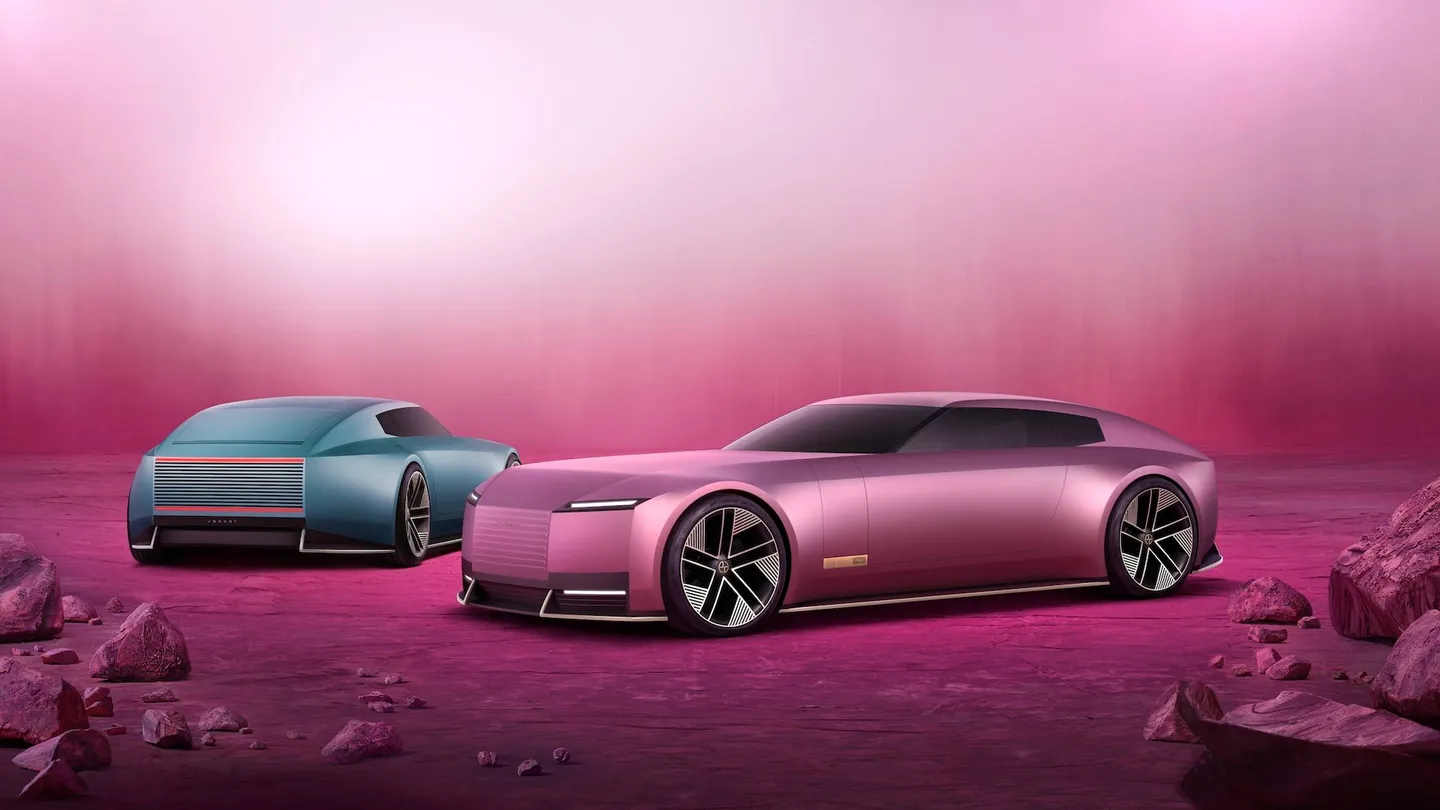
The Jaguar lesson was never that electric cars are bad. The Jaguar lesson was that contempt for your existing customer base is bad. When you tell your buyers their old taste was embarrassing – too loud, too male – you don’t win new ones. You lose the old ones and find that the new ones never existed in the first place. Jaguar lost 97.5% of its European sales finding this out. Porsche lost half its Taycan volume. Ferrari’s only just started.
Shareholders will work it out eventually. Whether they work it out before the prancing horse joins the leaping cat on the scrap heap is another matter.
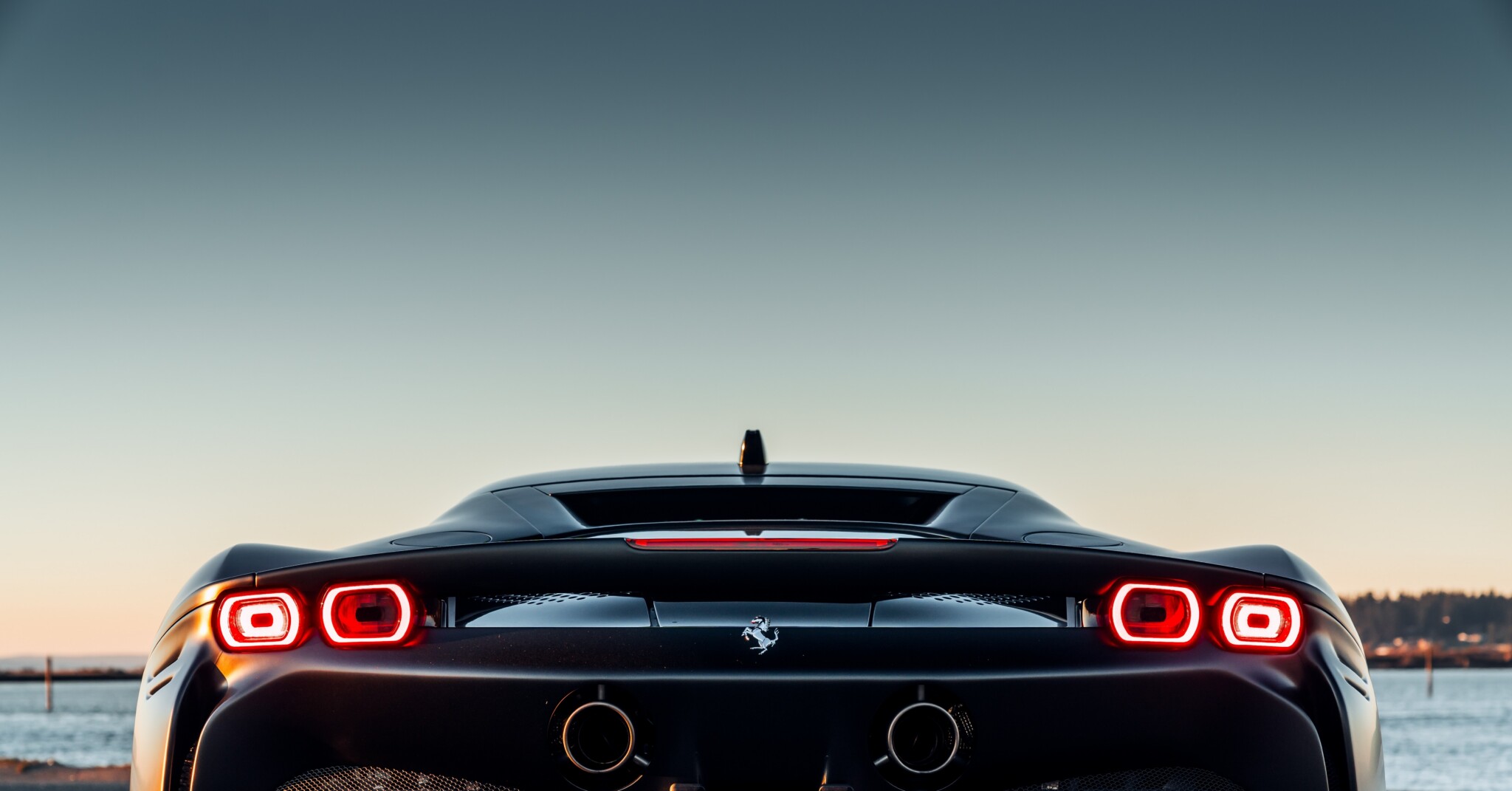
The brake lights are on. The question is whether anyone in Maranello is reading them.