Respect Week Is Not Marketing. It Is Ideology Wearing a Lanyard
15/06/2026 | Lee Taylor
By · 02/04/2026 · 4 min read
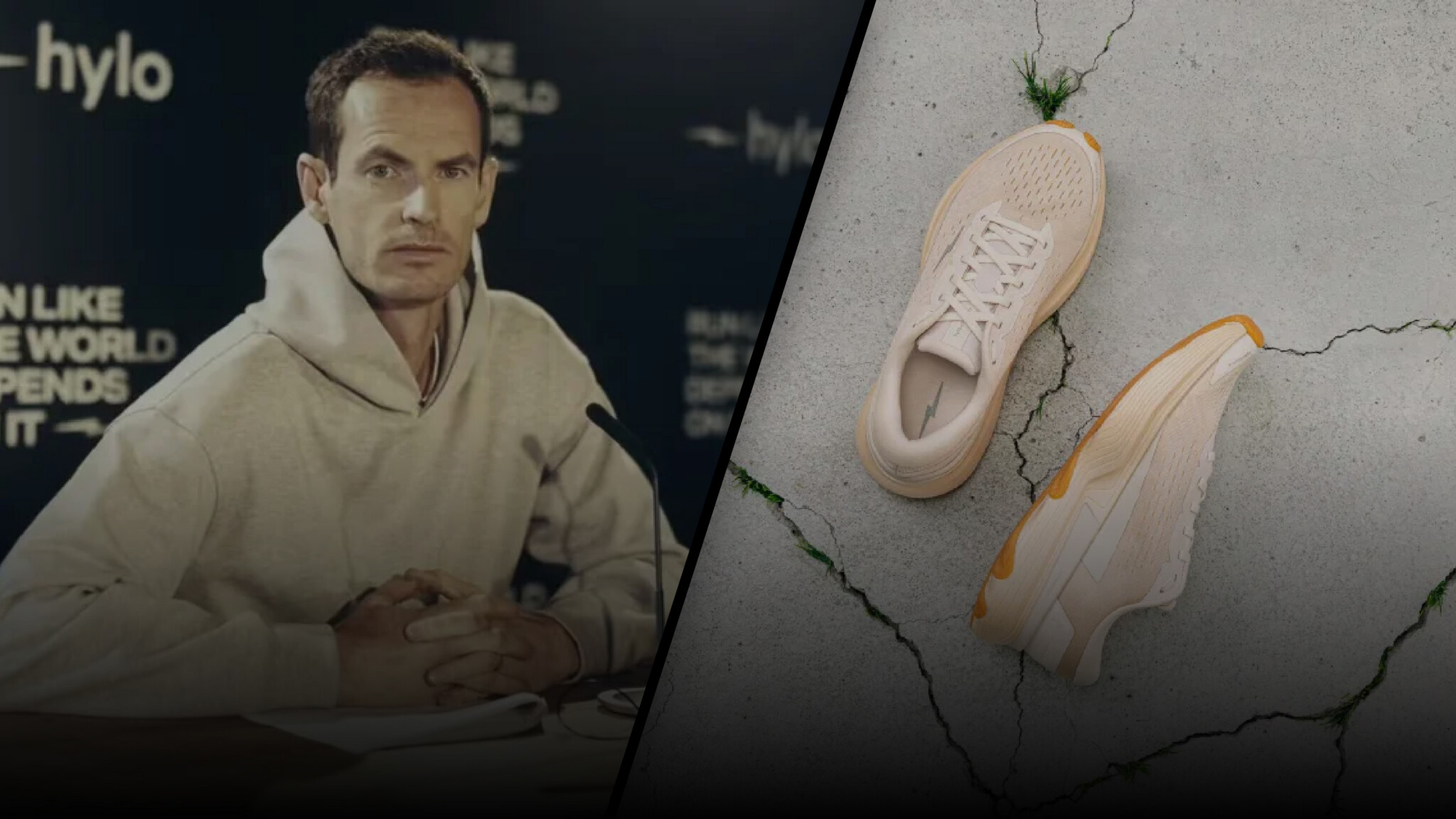
Sir Andy Murray is back on our screens, and this time he’s not grinding out a five-set epic against Novak Djokovic. He’s selling running shoes made from castor beans, corn and seaweed. The advert itself is a parody press conference where the microphones don’t work and the stage keeps collapsing, playing up to his reputation as the dour, humourless Scot. Credit where it’s due: it’s genuinely funny, and Murray has always been good at undercutting his own image. But behind the joke there’s a product, and what it tells us about where business is heading isn’t all encouraging.
The shoes are made by a company called Hylo, and they’re being pitched as the cleanest running shoes on the market. The manufacturers claim a carbon footprint of around nine kilograms per pair compared to fourteen for a typical running shoe, thanks to natural materials including the rubber on the sole. There’s nothing wrong with that. If someone can build a better shoe out of seaweed and corn, good luck to them. Innovation in materials science has given us all sorts of useful things, and footwear shouldn’t be exempt. The problem comes when the environmental credentials become the product, rather than the performance. That’s the trap so many modern brands fall into. They lead with the virtue rather than the value proposition. A runner doesn’t lace up thinking about carbon footprints. They care about cushioning, grip, durability and whether their knees will survive another ten-miler on wet tarmac. If the primary selling point is that you can feel good about the planet while jogging round the park, you’re not in the shoe business. You’re in the indulgence business, selling moral comfort to middle-class consumers who already own far too many things.
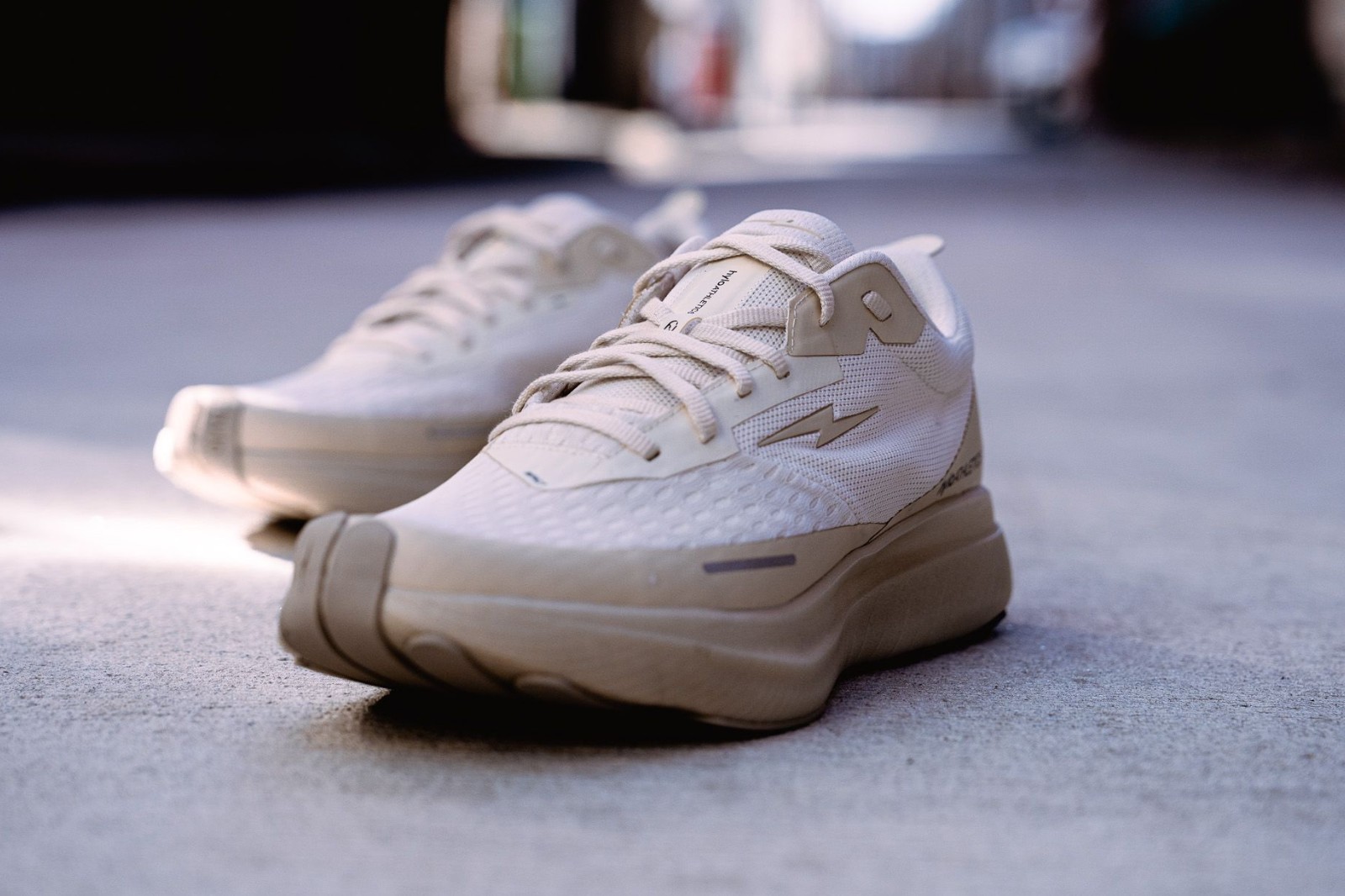
Hylo's running shoes boast a carbon footprint of around nine kilograms per pair, roughly a third less than a typical running shoe - made using natural materials including castor beans, corn and seaweed.
The campaign positions Murray as the plucky underdog taking on Roger Federer, whose involvement helped Swiss brand On reach a market valuation of around £15 billion. Murray denies all charges before doing a villainous grin into the camera, suggesting he fancies chipping away at Federer’s empire in the same stubborn manner that defined his tennis career. It’s clever marketing. People love an underdog story, and Murray is one of the few athletes on earth who can pull that off despite being a three-time Grand Slam champion. But here’s the thing: On didn’t get to £15 billion by telling people their shoes were good for the environment. They got there by making shoes that runners actually wanted to wear. Federer brought the glamour, but the product had to stand on its own. You can’t virtue-signal your way to market share. At some point, the product has to be genuinely good, and the price has to make sense. That’s the lesson so many purpose-driven brands refuse to learn.
Since retiring from tennis at the end of the 2024 Olympics, Murray has thrown himself into a number of business ventures, and some of them are very sharp. His investment in Game4Padel, now the leading developer of new padel sites in the UK, was a well-timed bet on one of the fastest-growing sports in Europe. He was also an early backer of Castore, which has gone on to secure deals with major football clubs and Formula One teams. These are the moves of someone who reads markets, not mission statements. So why pivot to seaweed shoes? Almost certainly because sustainability is supposed to sell. The entire green consumer market was built on the idea that people will pay a premium for products that make them feel virtuous. And for a while, they did. But the tide is turning. The backlash against ESG in the investment world is a bellwether. When BlackRock starts quietly dropping the language of environmental activism from its shareholder letters, the wind has changed direction. People are tired of being lectured by corporations, and especially tired of paying extra for the privilege.
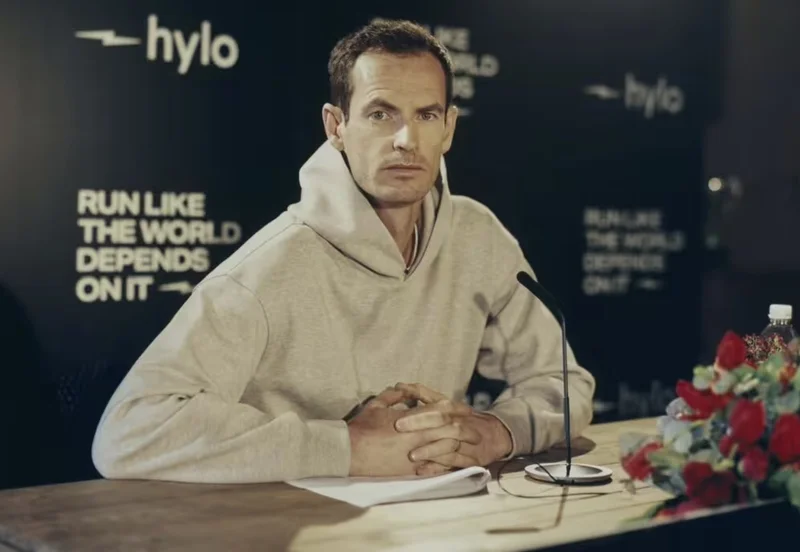
Murray leans into his reputation as the dour Scotsman in Hylo's parody press conference campaign - but the joke can only carry the product so far.
What Murray should be doing, and what the people around him should be telling him, is leading with the product. Make the best running shoe on the market. Make it durable, comfortable, and competitively priced. If it also happens to be made from corn and seaweed, put it on the box. But don’t make it the headline. Patagonia didn’t become a billion-dollar brand because it ran adverts about saving the planet. It became one because it made jackets that lasted twenty years. The environmental ethos was real, but it sat behind the product, not in front of it. Murray’s competitive instincts are clearly still sharp, and his ability to take the mick out of himself makes him a natural for the kind of marketing that actually cuts through. The parody press conference is proof of that. If Hylo can channel that energy into making shoes people genuinely want to run in, they might have something worth watching. But if the pitch remains “buy these because they’re made of seaweed and you’ll feel good about yourself,” they’ll end up as just another footnote in the long list of brands that confused virtue for value. Murray deserves better than that. And frankly, so do the consumers being asked to pay for it.