What Publisher Advertising Agencies Actually Do (and Why Most Brands Buy It Wrong)
26/10/2026 | Uncommon Sense
By · 04/01/2026 · 4 min read
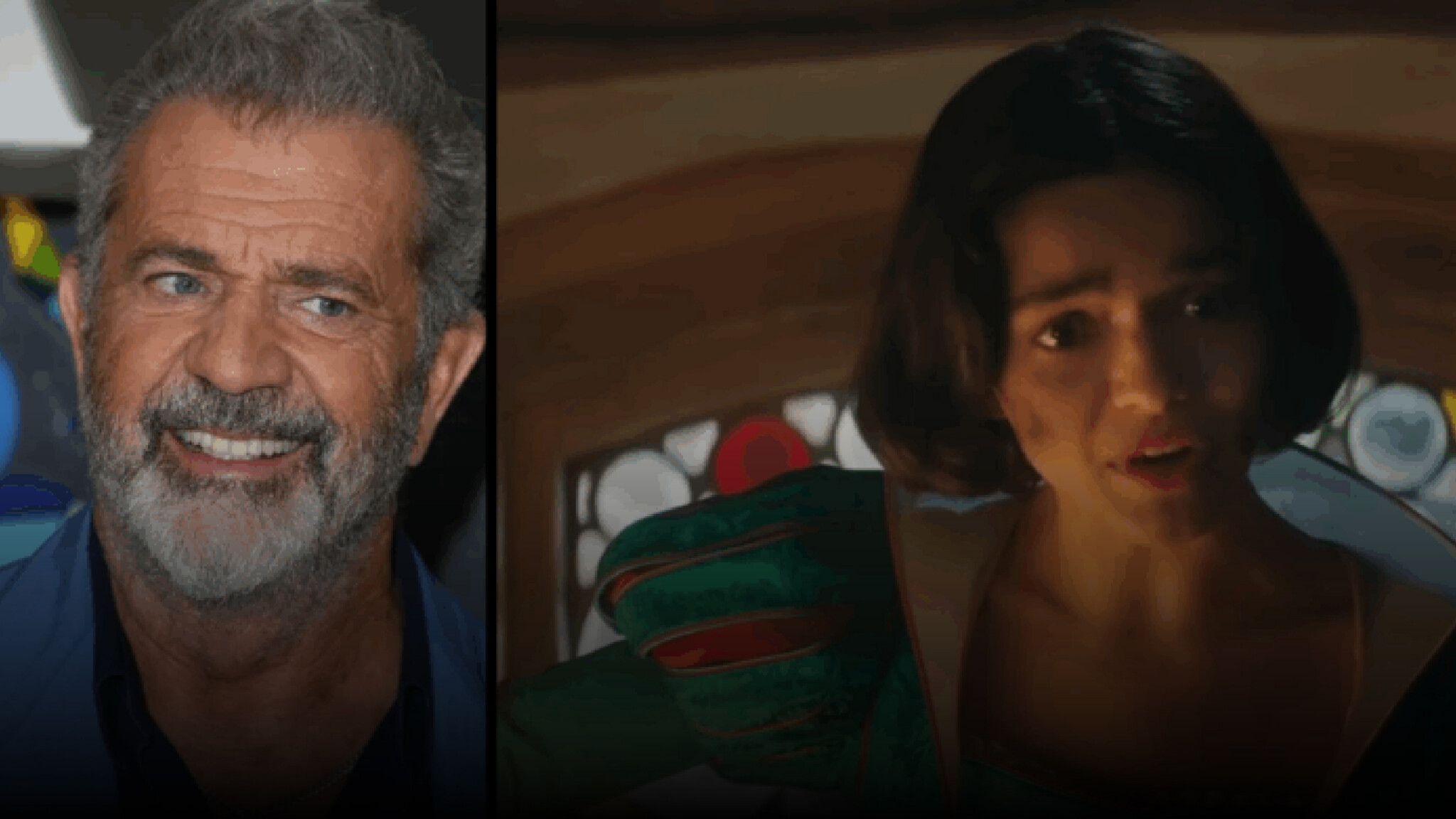
The institutions we once trusted to entertain, inform and inspire have become hollow shells of their former selves. Whether it’s rumour or reality, the story doing the rounds about Roseanne Barr, Mark Wahlberg and Mel Gibson launching an independent studio matters less than the details and more than what it represents: the emergence of a parallel economy, built by people who’ve stopped asking permission from captured institutions.
I don’t particularly care whether the names are accurate. What matters is the trajectory. When institutions become ideologically possessed, they stop serving their original purpose and start functioning as propaganda vehicles. That’s the point at which intelligent people stop trying to reform them and start building alternatives.
Hollywood hasn’t just gone woke — it’s gone broken. The entire apparatus now feels like an HR department cosplaying as an entertainment industry. Fear has replaced talent as the organising principle. Activists have displaced artists. The obsession with representation has murdered any appetite for truth. And amidst the collapse, Hollywood’s leadership still maintains a posture of moral superiority while churning out unwatchable drivel.
But this isn’t merely about Hollywood. It’s about institutional capture across the board — and marketing is one of the worst offenders.
Advertising used to be simple: understand the customer, communicate value, sell the product. Now it increasingly resembles corporate activism. Marketing departments have been seized by people more interested in social engineering than persuasion. Brands aren’t being built; they’re being used as ideological delivery systems. The customer has become secondary. Activism has become the priority.
And here’s the punchline: the activist rarely buys anything anyway.
This is why we’re now seeing a split. A growing number of people inside these industries are waking up to the fact that the institutions can’t be fixed. They’re too far gone. The rot is too deep. And the incentives are too warped. If you speak plainly, you’re “problematic”. If you ask for evidence, you’re “harmful”. If you acknowledge reality, you’re accused of moral crimes.
So what comes next?
At first, reasonable people try internal reform. They write letters. Lodge complaints. Make rational arguments. Hope sanity will reassert itself. Then they learn the uncomfortable truth: captured institutions cannot be fixed. They can only be replaced.
This is why the specific name “Non-Woke Productions” matters less than the model it embodies. We’re witnessing the birth of a parallel economy where creators operate without permission from legacy gatekeepers. Where funding arrives without ideological conditions. Where distribution isn’t controlled by activist cartels. Where audiences, not bureaucrats, determine success.
And that is what truly terrifies the establishment.
They’re not frightened by films with traditional values. They’ve weathered that before. They’re terrified of something far more threatening: genuine competition. Once creators can fund and distribute independently, Hollywood becomes optional. And once something becomes optional, it loses its power.
The same dynamic is now spreading into advertising.
Brands are waking up to the fact that they’ve been conned into buying an ideology that actively damages their commercial performance. “Purpose” doesn’t sell products. It sells internal status. ESG doesn’t build brands. It builds careers. And the regulators and industry bodies that claim to protect consumers increasingly behave like political referees.
The parallel economy isn’t rebellion. It’s necessity.
And we’ve built it ourselves at Uncommon Sense. When marketing became obsessed with progressive ideology rather than results, truth and persuasion, we didn’t petition for permission. We built something better. We work with brands that want to communicate like normal human beings again, without being held hostage by activists, regulators or the censorious culture infecting the corporate world.
If a “Non-Woke Productions” model emerges, whether with these names or others, it won’t succeed because it’s political. It will succeed because it’s free.
And in 2026, freedom is the most disruptive force in the marketplace.
The parallel economy isn’t coming. It’s already here. The only question is whether the old guard adapts, or continues its decline into irrelevance while the rest of us build the future without them.
Lee Taylor is CEO and Founder of Uncommon Sense.