The Bias That’s Quietly Killing Your Creative
25/09/2026 | Uncommon Sense
By · 12/05/2026 · 5 min read
Brands have spent a decade chasing purpose, identity and the latest political fashion – but they have ignored the one thing that actually drives a buying decision: an evolved human brain.
Walk through any large marketing department today and you’ll hear a lot of words. Purpose. Mission. Belonging. Brand activism. What you won’t hear much about is biology. Which is strange, because every consumer being targeted by these campaigns is running on hardware that hasn’t meaningfully changed in 200,000 years. The discipline that studies that hardware is evolutionary consumer psychology, and it is the most useful body of work the industry has stopped reading.
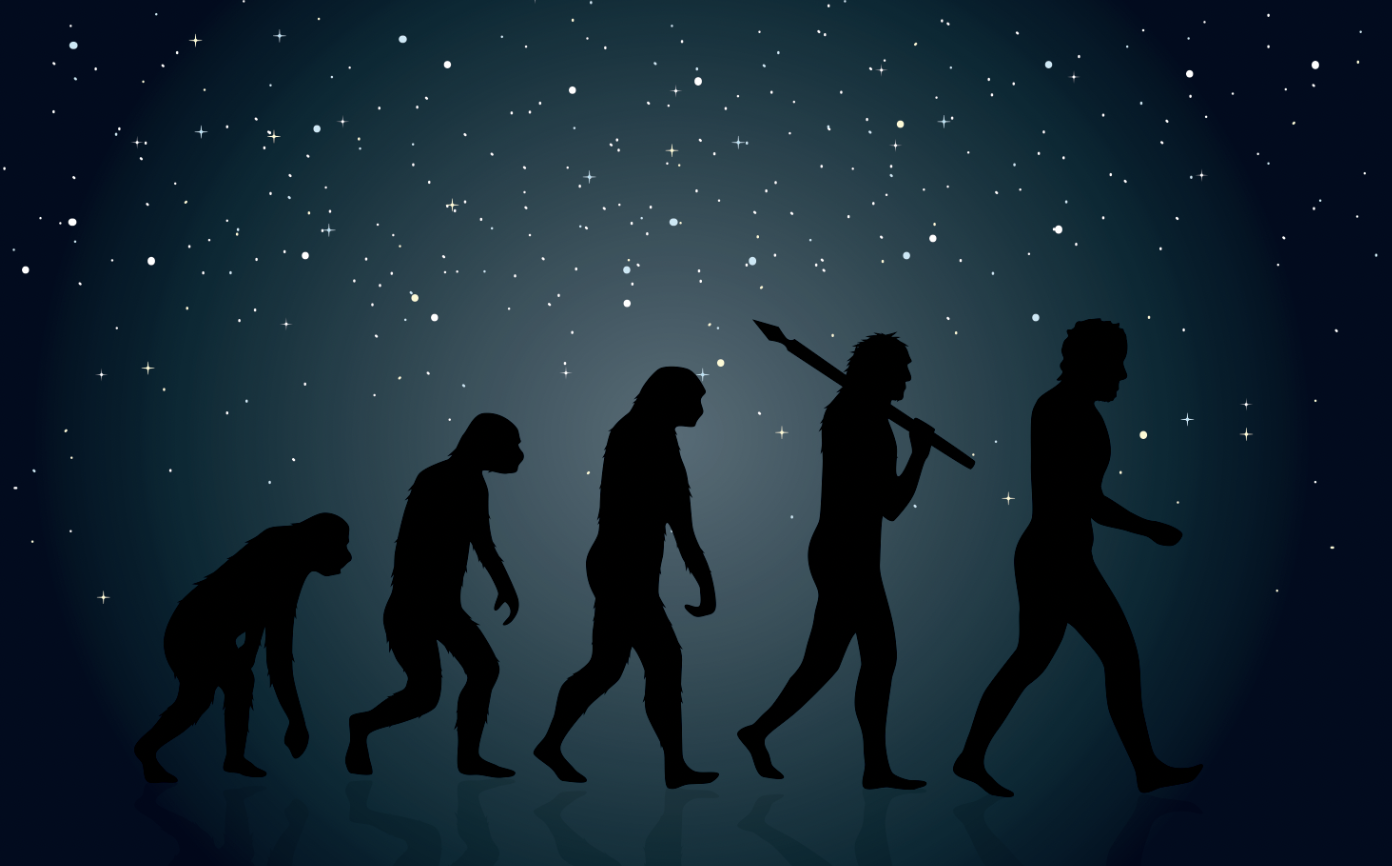
Two hundred thousand years of evolution shaped the wiring that every modern campaign is trying to persuade.
What is Evolutionary Consumer Psychology?
Evolutionary consumer psychology is the application of Darwinian thinking to why people buy what they buy. The foundational work is Gad Saad’s The Consuming Instinct (2011), which argues that consumption decisions are best understood as expressions of evolved drives: survival, reproduction, kin investment, and reciprocal exchange. Geoffrey Miller’s Spent (2009) builds on this with sexual selection, framing conspicuous consumption as a costly signalling exercise, much like a peacock’s tail. David Buss’s research across decades, distilled in The Evolution of Desire (1994, revised 2016), maps human mating preferences across cultures and finds the patterns are stubbornly consistent.
Richard Dawkins additionally gave us the gene’s-eye view in The Selfish Gene (1976) and, almost as an afterthought, the concept of the meme – which is how ideas and brands replicate through populations. Robin Dunbar’s work on social cognition, including the famous Dunbar’s number, explains why tribes feel the size they do and why brand communities mimic them.

Autoglass repair. Autoglass replace? Dawkins introduced the concept of the meme in The Selfish Gene (1976) to describe ideas, slogans, and behaviours that replicate through populations.
This isn’t fringe science. It’s the mainstream. The discipline didn’t reject it; it just wandered off into a progressive fog and forgot the way back. The papers are still on the shelf, yet nobody’s reading them.
Five Drives, Five Campaigns
Underneath the stories sit the drives. There are five worth knowing. Status, mate attraction, tribe, risk avoidance, novelty.
Patek Philippe doesn’t sell watches; it sells inheritable status, which is why “You never actually own a Patek Philippe. You merely look after it for the next generation” became one of the most commercially successful taglines of the last fifty years. De Beers sells mate attraction – the 1947 “A Diamond Is Forever” campaign understood that a permanent stone is the natural symbol for a permanent promise, and built a category on it. Harley-Davidson sells tribe; the Harley Owners Group has roughly a million members and the brand survives on community far more than on engineering. The entire life insurance category, worth over $900 billion globally in premiums according to Swiss Re’s sigma research, runs on risk avoidance and kin investment. Lastly, Apple’s product launches still operate as novelty rituals because novelty-seeking is an evolved trait that kept our ancestors finding new food sources.
Five drives. Pick one and you’ve got a campaign. Pick none and you’ve got nothing more than a press release.
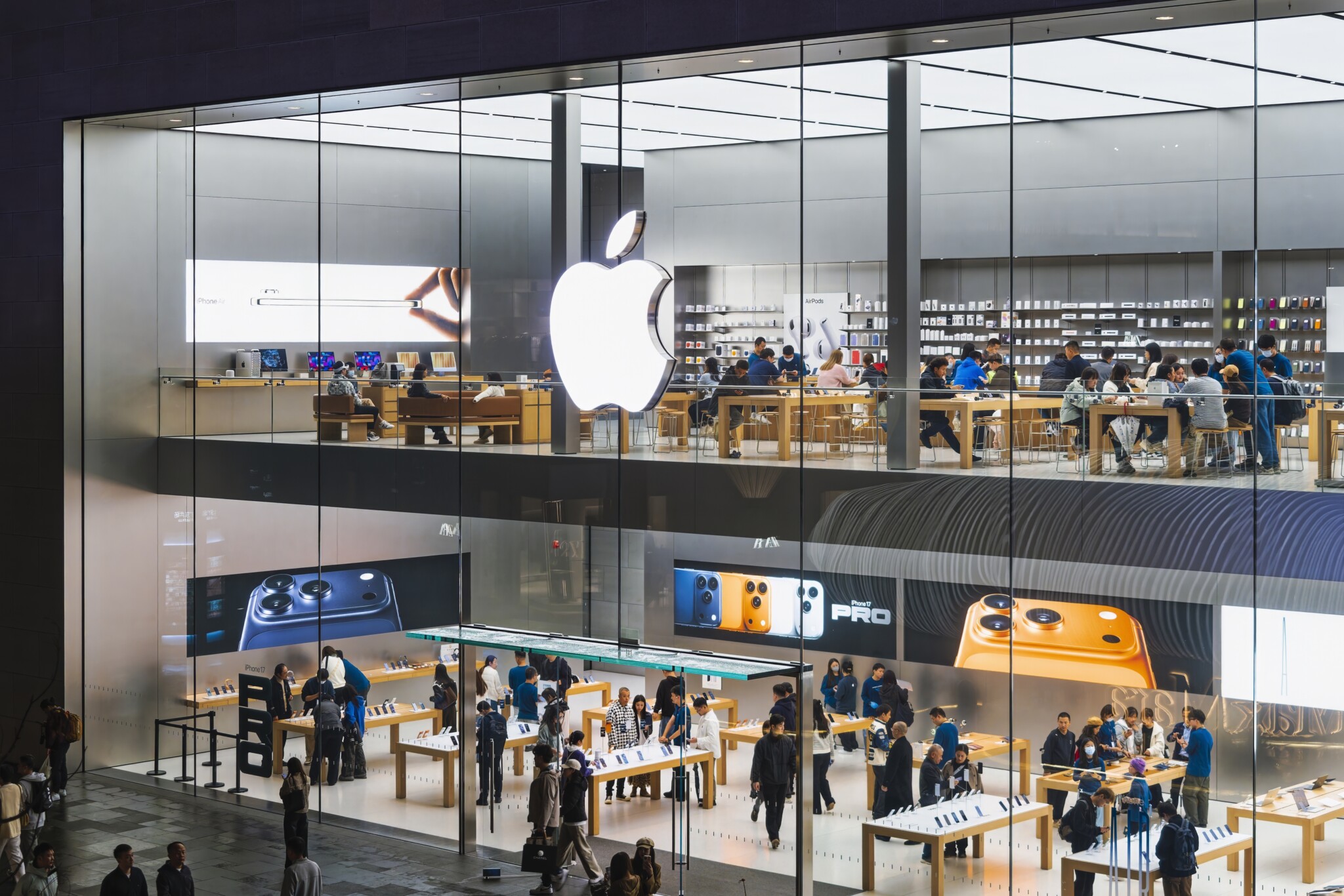
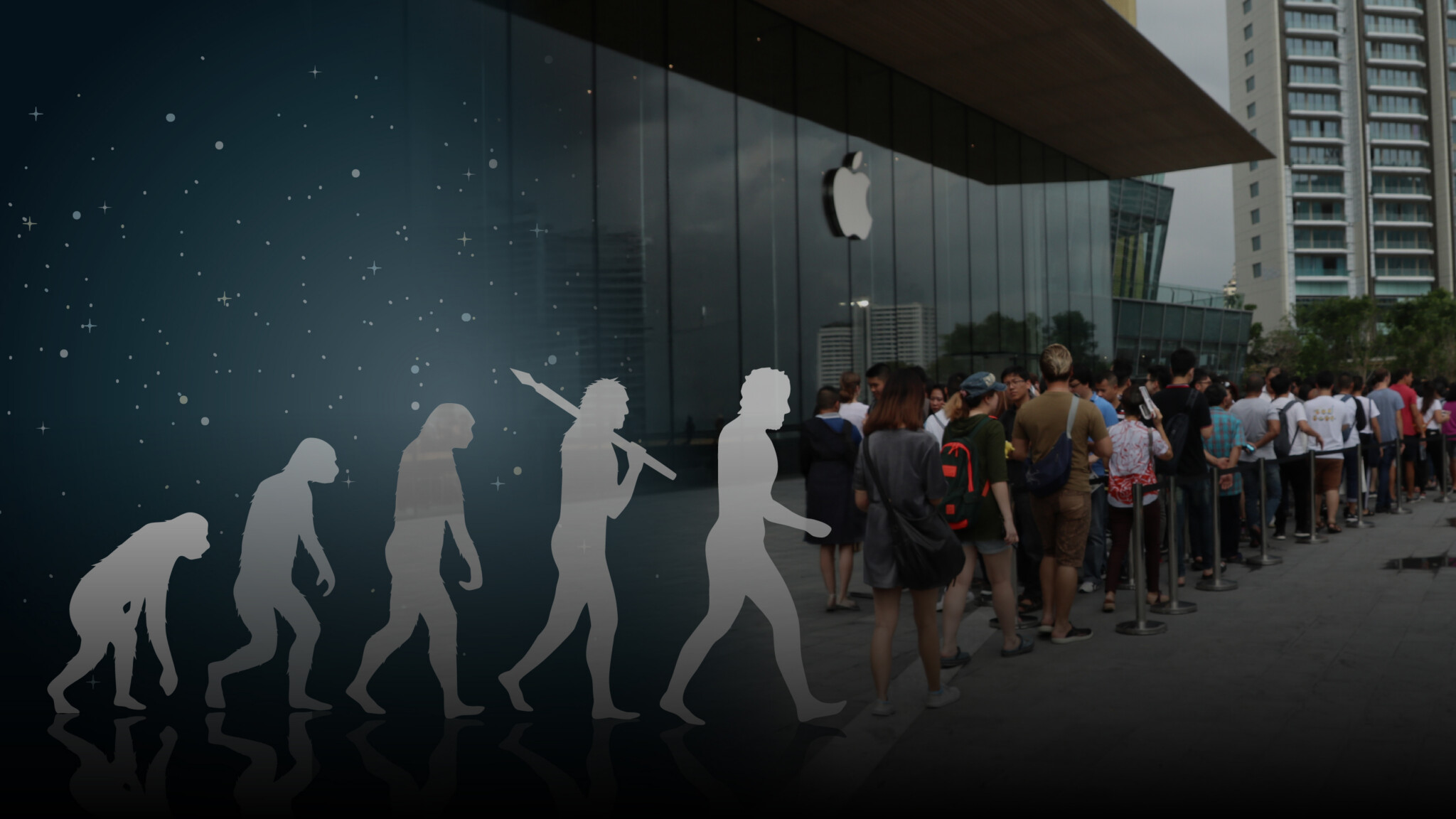
Apple has industrialised novelty. The same evolved drive that pushed our ancestors toward unfamiliar berries now pushes consumers toward a marginally thinner phone every September.
So why has this been forgotten? The marketing class drifted. Briefs started arriving asking how a soft drink could “stand for something”. ESG walked into creative departments and started briefing the work. Gad Saad’s new book, Suicidal Empathy, names the underlying pathology: an empathy instinct miscalibrated to the point of self-harm, where institutions prioritise the moral preferences of a vocal minority over the people they exist to serve. Rob Henderson’s luxury beliefs concept describes the social layer – ideas that confer status on the affluent who hold them while costing the working class who don’t. Marketing departments are staffed disproportionately by holders of both.
Two recent case studies show the cost. Bud Light’s partnership with Dylan Mulvaney in April 2023 led to a sales collapse: Anheuser-Busch InBev reported roughly a $1.4 billion drop in US revenue, and the brand lost its position as America’s best-selling beer to Modelo for the first time in over two decades. The damage hasn’t healed. A former Anheuser-Busch executive told the New York Post in March 2025 that the Mulvaney tie-up and the wider DEI posture were the proximate cause of the brand’s downfall.
Jaguar’s November 2024 rebrand, with its androgynous models and the “Copy Nothing” campaign that copied quite a lot, prompted European sales to fall 97.5 per cent in April 2025 – 49 units shifted across the entire continent, against 1,961 the prior year. The company has since briefed that the production halt is the real cause, and there’s something to that. But in December 2025 design chief Gerry McGovern was reportedly fired and walked off the premises, with the campaign quietly being scrubbed. You don’t sack the man and bury the work if the work was fine.
The Bud Light commercial that preceded a $1.4 billion revenue drop and the loss of America's best-selling beer title.
This isn’t gloating. It’s a post-mortem. Both campaigns ignored their customers’ evolved drives in favour of the brand team’s ideological preferences.
The great creatives always understood this without needing the literature. Bill Bernbach’s Volkswagen “Lemon” ad in 1960 worked because honesty signals trustworthiness, an ancient heuristic. David Ogilvy’s Hathaway shirt man with the eyepatch worked because mystery cues novelty. Rory Sutherland has spent twenty years pointing out that behavioural science is just the formalisation of what good admen always knew. The trouble is that the intuitive tradition is thinning. The talent pool that produced Bernbach is not being replenished at scale. The science makes the intuition defensible in a meeting room where someone wants to know why the campaign isn’t about climate change.
So stop briefing campaigns for the people in the meeting. Start briefing them for the people buying the product. The agencies that make that shift will lead the next decade. The ones that don’t will keep producing campaigns their juries admire and their clients quietly walk away from. Two hundred thousand years of human biology is not going to bend to whatever moral fashion is running through the industry this quarter.
Lee Taylor is CEO and Founder of marketing agency Uncommon Sense.