The car that flew, and the brand that never needed to advertise
21/10/2026 | Uncommon Sense
By · 03/12/2025 · 6 min read
Because what was that really about?
Recently, I decided to reacquaint myself with some of the brands I once cherished. For years, I’d lost interest as their direction seemed increasingly detached from what I valued. Prices had climbed beyond reason, natural fibres had been widely replaced with synthetics in the name of sustainability, and their marketing had started to feel weighed down with endless moral posturing. I wanted to purchase a dress, but instead it came with a manifesto attached – or worse, worn by a model with a beard.
But this time around, cotton garments were more widely available, the prices – while still significant, were fairer than I expected for real fibres. Most striking of all, the marketing had rediscovered a sense of allure. Pretty tops were no longer paired with androgynous, oversized separates, but with denim mini-skirts and fun accessories. The models for these brands were healthy, glamorous, and beautiful in a way that would have once offended the pioneers of progressivism. Many of these websites were also free of the usual banners promising to “save the planet” in an ambitiously narrow timeframe.
The last time we were in this position was roughly a decade ago, when fashion feeds were dominated by a very different set of excesses: the era of ultra-thin models, “cool girl” minimalism, and branding that prized exclusivity over inclusivity. The aesthetic wasn’t exactly enlightened by today’s standards, but it did play by its own rules.
The Pillars of Progressivism – Starting with Sustainability
Then, almost overnight, a progressive mist descended across the West. It seeped into every major brand, drifting through design studios and boardrooms alike. Marketing teams were restructured, campaigns were rewritten, and entire identities were rebuilt in the name of social responsibility. Many companies felt compelled to rethink everything – from casting to copywriting to the fabrics they claimed to champion. I even remember walking into one of my most visited stores, and chatting to the store manager about their current range. I asked them why so many of their garments were fashioned from viscose these days. “Sustainability” they replied with a disappointed sigh. “Apparently cotton uses up too much water”.
But as of recently, sustainability has now taken more of a back seat in fashion marketing – even for companies that once centred their brand DNA around it. Earlier this summer, the Business of Fashion reported that some of the original “sustainable fashion brands” have returned to product-first messaging, letting the design, quality, and unique style of each garment do the talking. Additionally, according to a recent McKinsey report, only 18 percent of fashion executives cite sustainability as a top-three risk for growth in 2025, dropping from 29 percent in 2024.
One cause of this shift is that many retailers built their reputations on progressive values, only to be exposed for failing to meet them. H&M’s greenwashing scandal is the clearest example – its “Conscious” collection, sold at a premium and presented as environmentally responsible, was revealed to be little more than marketing. Several items were overwhelmingly synthetic, its much-touted recycling programme was effectively symbolic, and its sustainability “scorecards” – based on the Higg Index – were shown to present misleadingly positive data. H&M quietly removed the scores after the investigation, but the damage was done. The episode signalled a broader reckoning: consumers were no longer willing to accept moralised branding from companies whose practices failed to match their promises.
Body Positivity
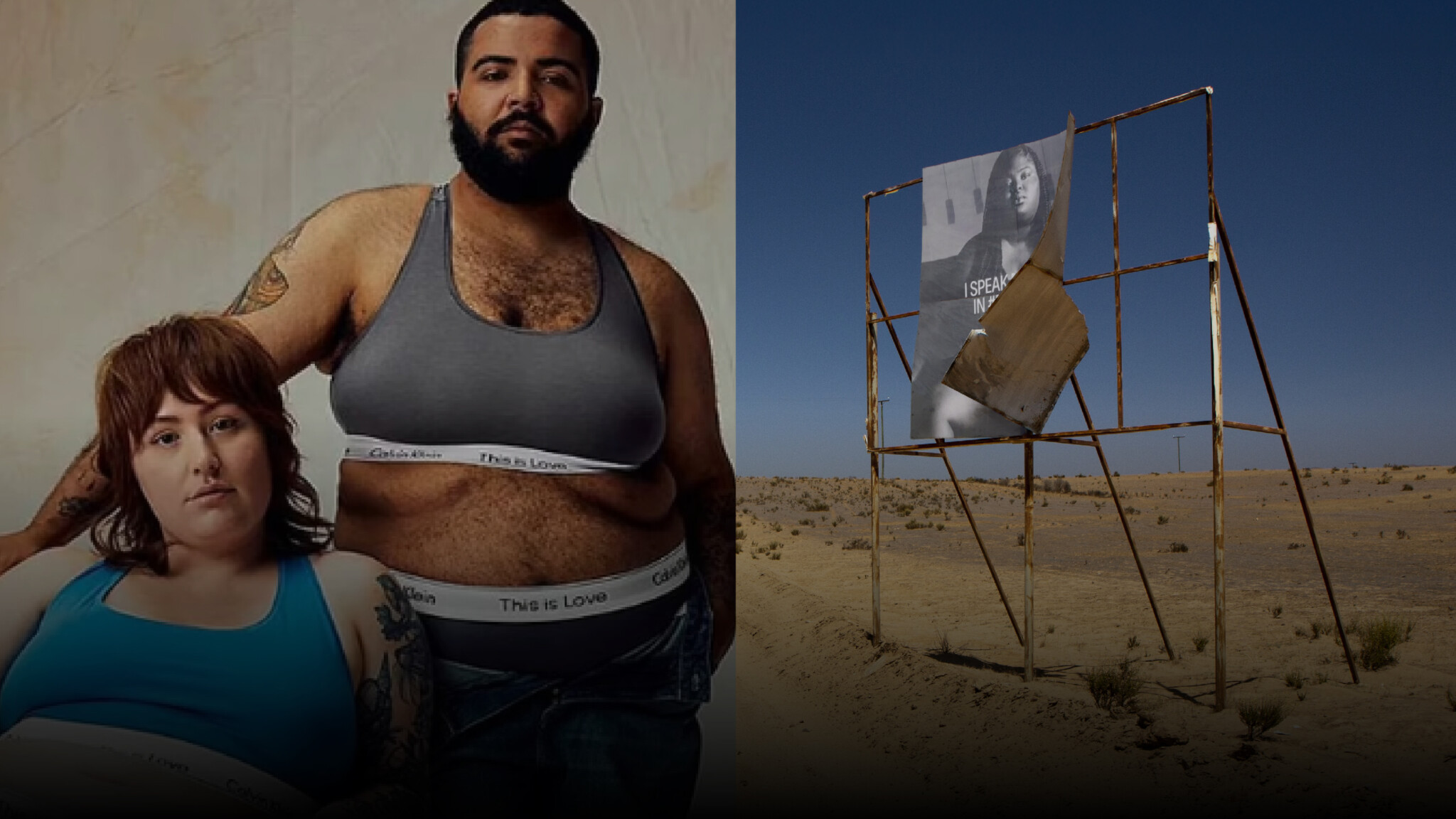
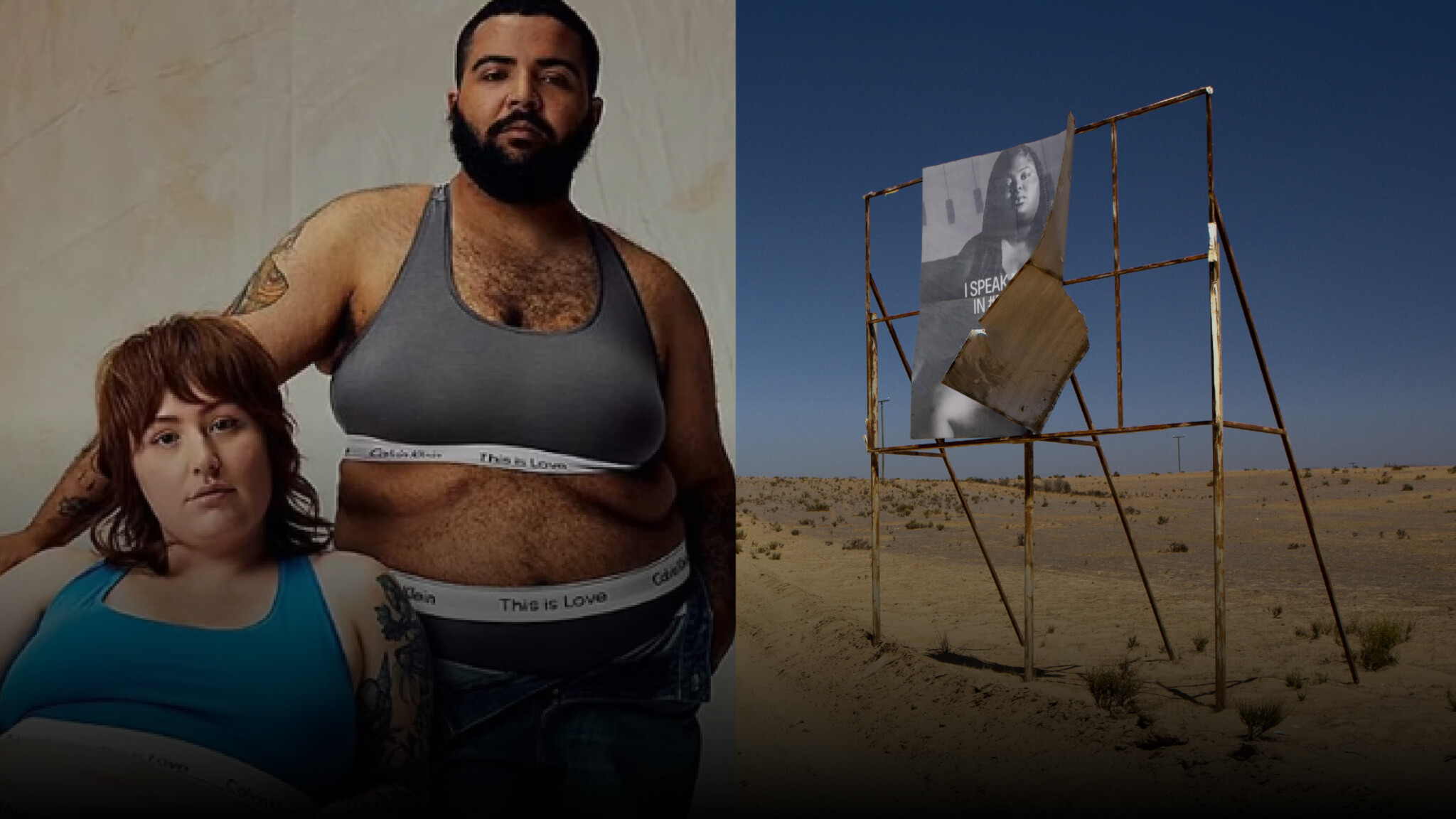
The second pillar to fashion’s great awokening was the body positivity movement. And with this, I am not referring to quietly revolutionary campaigns such as Dove’s Real Beauty in 2004. But instead, the more aggressive movement that normalised skinny shaming, centralised body types that are medically dangerous, and began to present a highly curated version of “diversity” that often excluded entire groups of women.
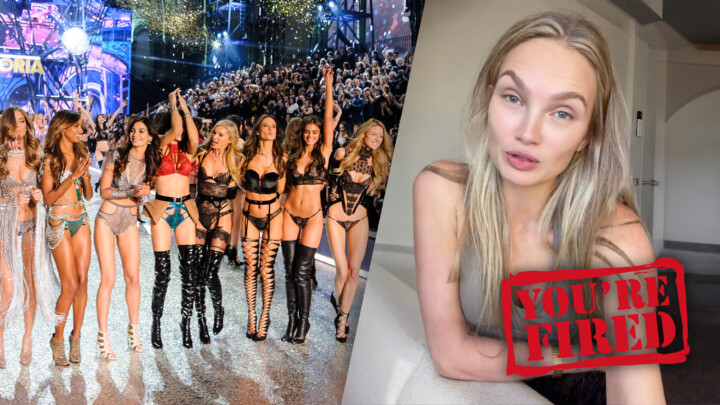
A notable turning point came with the collapse of Victoria’s Secret’s activist-era rebrand. After years of criticism for its hyper-glamorous Angels, the company swung hard in the opposite direction: ditching its fantasy aesthetic, cancelling its fashion show, and replacing models with athlete-ambassadors and activists. The intention was moral virtue, but the outcome was revenue plummeting by over a billion.
American Eagle reached a similar realisation, but without the dramatic, financial implosion. The brand had spent years attaching itself to the body-positivity movement – unretouched campaigns, identity-first messaging, and an emphasis on “realness”. Then came the Sydney Sweeney American Eagle AW25 campaign, which was the first major fashion campaign to break the spell. It didn’t read as “workshopped by a diversity consultant” or “run through twelve risk-assessment filters.” Whether you liked it or not, it didn’t matter to the retailer. As such, American Eagle became the first brand in a very long time to not ask for permission from the guardians of liberal tolerance.
Gender Neutrality
The final pillar to the fashion great awokening was gender neutrality, where gender was widely seen as a fluid, interchangeable means of expressing oneself. Brands began casting both male and female models for the same garments, while maintaining strictly separated “mens” and “womens” categories on their websites – something that never made much sense.
As we’ve discussed in our other essay, gender fluidity has long been socially tolerated – the 1980s being a notable era – but this new phase insisted on moralising what had once flourished organically.
One of my own biggest moments of disbelief came when, working for one of the world’s biggest retailers, we were told to use gender-neutral language for the children’s range, including newborns. Even describing a heart-patterned dress as something for your very own “sweetheart” was strictly forbidden – the term was too feminine. The more I reflect on this chapter, the more maddening it all seemed, but at the time – in a climate where dissent was punished and bills had to be paid, most people – myself included – concluded that compliance was the best form of survival.
When people ask who was dictating all this, the truth is both everyone and no one. It functioned like a pandemic of groupthink. Some colleagues were visibly “infected,” eager to spread their ideological enthusiasm; others were asymptomatic, quietly conforming; and a third group pretended to be infected simply to avoid professional suicide.
But beneath the industry’s cheerful insistence that gender is simply another styling choice lies a far darker reality – one that extends well beyond fashion. Children have become the unintended subjects of this ideological experiment. A landmark longitudinal study following 317 socially transitioned children found that while the majority continued to identify as transgender five years later, a concerningly meaningful minority – 7.3% – retransitioned at least once, and 2.5% ultimately returned to a cisgender identity. These aren’t abstract numbers. They represent real young people navigating deeply confusing terrain, often under the weight of cultural expectations far bigger than they can articulate. When brands package gender neutrality as a lifestyle norm, they risk trivialising an experience that, for some children, becomes psychologically fraught and profoundly destabilising. The fashion industry didn’t create this trend, but it played a role in its normalisation.
In conclusion, as a young female consumer, a veteran of the fashion industry, and once sympathetic to the three aforementioned pillars, I can only now say, if I want to support feminism, I’ll volunteer for a women’s rights organisation – not buy a slogan T-shirt from Victoria’s Secret. If I care about the environment, I’ll shop second-hand. If I want to explore gender fluidity, I can browse the menswear aisle. These things have always been available to us without shame or permission, and we never needed fashion brands to act as moral intermediaries. Their job is far simpler: to make clothes that are beautiful, well-made, accessible, and make us feel good.

The industry’s pivot away from activism-first branding marks a quiet reset - a reminder that style endures long after ideology fades.