
Sydney Sweeney’s Latest Ad Worked. That’s Why People Are Angry.
15/09/2026 | Lee Taylor
By · 28/10/2025 · 5 min read
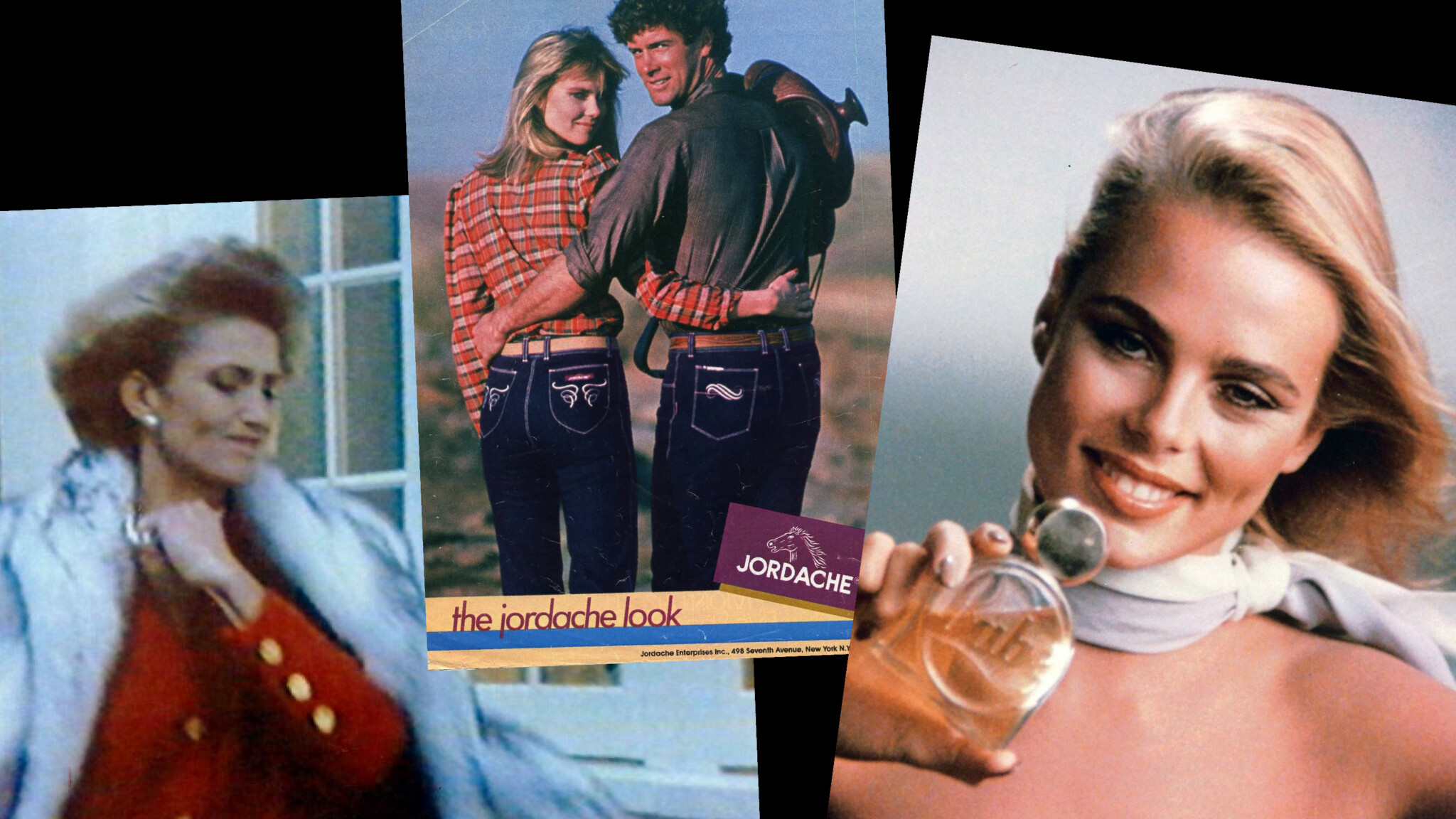
This is the first instalment in a four-part series, which examines the role advertising has played in society’s changing attitudes towards gender ideology, particularly for women. Focusing on the 1980s, this essay will explore how the campaigns of this era influenced wider perceptions of femininity, empowerment, and beauty.
For decades, advertising has not just sold products, but inspired beauty standards and even one’s wider aspirations. Its power lies in its inescapability: from billboards looming over our morning commute to unskippable ads interrupting our favourite shows, these images and messages form a constant backdrop to daily life.
As part of our research for this piece, we watched dozens of female-focused adverts from the 1980s, and spoke to women who formed the target audience of this time. One observation became clear: it was the era of aspirational glamour. Women sought to project strength through sharp tailoring, bold beauty looks, and unapologetic style – a stark contrast to later generations, where loungewear became everyday attire and procedures like lip filler overtook the timeless glamour of a red lip.
Advertising in this decade was also more literal than today’s. Beauty brands leaned on descriptive sales copy, the repetitive use of buzzwords, and pitching products in fun scenarios rather than weaving in abstract storytelling. While such marketing mechanisms may sound dated to modern ears, they have always proven both simple and effective.
Gender Fluidity: The 80s Stance
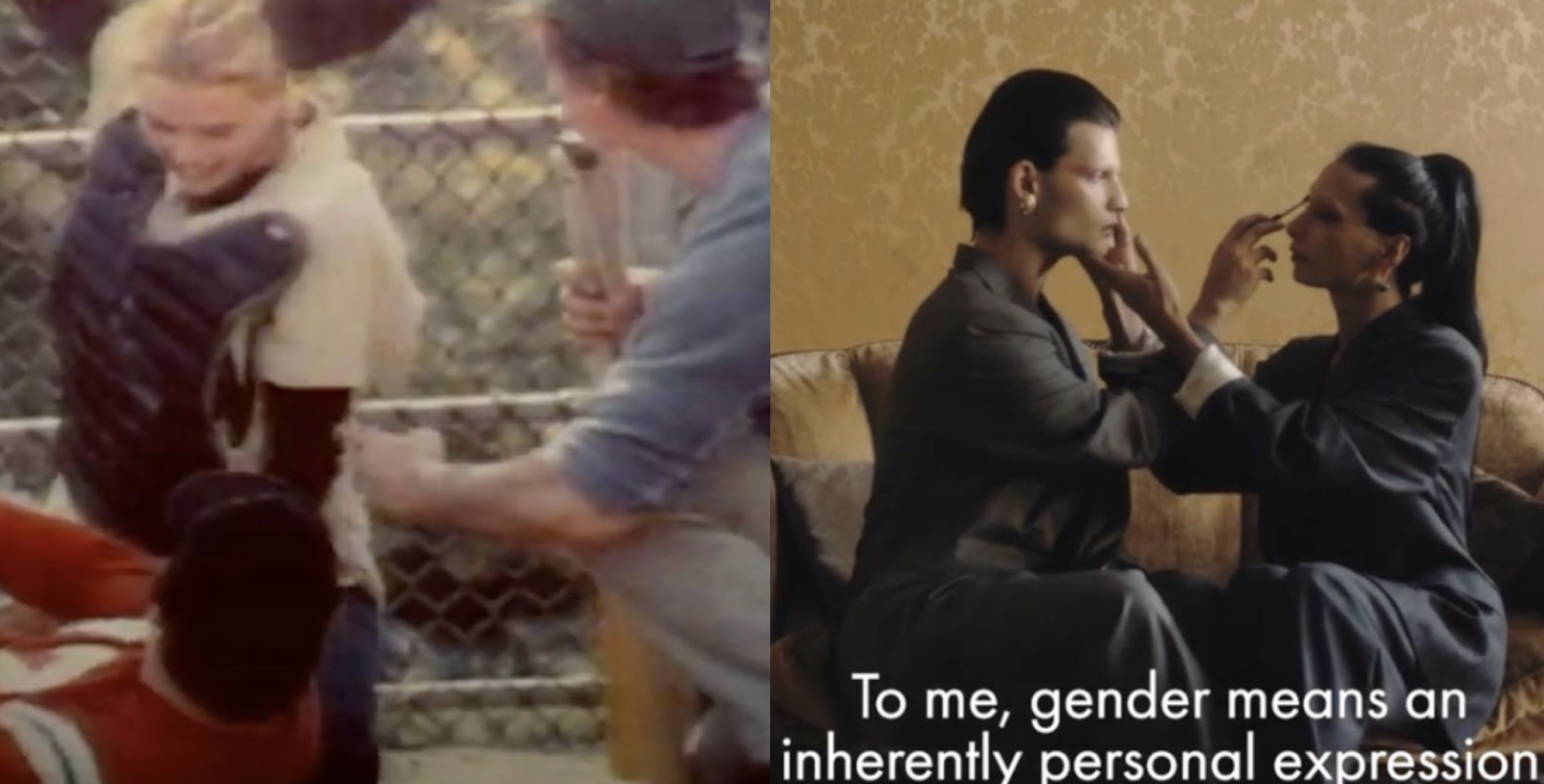
Despite being half a lifetime ago, many of this decade’s campaigns willingly embraced shifting gender norms. For example, in a Babe by Fabergé commercial, a woman is shown excelling in traditionally masculine pursuits, such as playing sports with men, with the narrative explicitly normalising her presence in that world: “You’re one of the boys but you’re a real girl, babe”.
What’s striking is how differently such a line would be delivered today. Rather than celebrating a woman’s ability to succeed in a man’s world while embracing her femininity, a modern remake might instead recast the role as non-binary, turning a personality trait into a political statement. Indeed, Gucci’s “The Future is Fluid” campaign did precisely this, in which a curated cast of models explained what gender fluidity meant to them. The fashion house also unveiled a gender-fluid line, which included a tartan dress “for men” – priced at £2,600.
Should a fashion house need to reassure customers that their clothes can be worn by either gender? My own stance - perhaps gentler than others - is that people should be left alone to make their own choices. The real darkness lies with the brands who exploit personal vulnerabilities in pursuit of profit.
This is another reason why the 1980s got it right – both genders could freely experiment with their styles in its fun and tolerant ecosystem. Companies didn’t feel compelled to redesign product lines, amend their name badges, or craft advertising campaigns around pronouns.
Jovan Musk echoed this sentiment with its memorable Evening Edition commercial. It famously ran parallel adverts for men and women that emphasised sexiness as a shared, aspirational quality rather than something that exclusively belonged to only one gender.
Other campaigns combined beauty with empowerment: Oil of Olay adverts framed youthfulness as desirable, but in the same breath showed women graduating, building careers, and celebrating life milestones. Even the Jordache Jeans commercials presented women as confident and powerful, using stance and posture to communicate strength.
Case Study: Volkswagen Golf Commercial (1987)
However, one of the most famous examples of advertising to empower women didn’t derive from the fashion or beauty realm, but the automotive industry. Released in 1987, Volkswagen’s Golf commercial sees the actress Paula Hamilton, abruptly leaving her husband, before finding comfort in the reliability of her car. Finally composed, she drives off, before the commercial closes with the statement: “If only everything in life was as reliable as a Volkswagen”.
The impact of this commercial was culturally significant; it was widely viewed as a turning point for car advertising, with the industry formally recognising and celebrating women’s increased independence. It was even awarded the Silver prize at the 1988 British Arrows Awards; one of the most prestigious awards to win in the competitive world of advertising.
More modern-day attempts from automotive companies to appeal to women haven’t enjoyed the same reception. A notable example was Audi’s car advert, “Daughter”. Narrated from a father’s perspective, we see him watch his young daughter race in a go-kart, and ponder whether she will “Be valued less than every man she meets”. The advert then concludes by stating it’s committed to equal pay for women and progress for all.
Why was one advert so warmly received and the other cause mass disgust? The answer may lie in sincerity. The 1987 advert was simply selling a modestly priced vehicle – and in doing so, it felt free of pretence. On the other hand, Audi’s advert promoted a car estimated to cost £50,000, making the makeshift go-kart we initially see the more financially achievable option for the majority of its audience. Just as importantly, Volkswagen embraced wit, and presented a more realistic scenario of a woman leaving a bad relationship and not relying on a soppy narrative or an equal pay pledge to save her. At the end of the day, she saved herself – and that was exactly what women of that time were encouraged to do.
Looking Back
Viewed today, many of these adverts might sound dated in tone, but their underlying message was not negative. If anything, they encouraged women to strive, to succeed, and to embrace glamour as a source of confidence and strength. The 1980s didn’t always get everything right, but in advertising, a rare balance was struck: beauty and empowerment harmoniously co-existed in the same realm without causing broad indignation.
This essay is the first in a series reflecting on women in advertising across the decades. Next, we’ll turn to the 1990s – an era that swapped aspirational glamour for heroin chic, and in doing so reshaped the cultural conversation around women’s bodies in ways that are still felt today.
