A Eulogy for the Jaguar We Loved
09/10/2026 | Uncommon Sense
By · 25/09/2026 · 4 min read
Why the familiar route feels sensible in the room and invisible to the customer.
Two innate drives meet in every creative review, and only one of them is on the brand’s side. The first belongs to the people in the room. It is risk avoidance, a bias that makes the familiar route feel sensible without anyone noticing why. The second belongs to the customer: an appetite for novelty that screens out anything they have seen before. When the first drive wins, the second makes sure nobody notices the ad.
We now have hard evidence of what that costs. Publicis London’s World Class study, produced with System1 and Effie, analysed 1,262 Effie cases, 124 of them multi-market, alongside around 250,000 consumer responses. The most distinctive multi-market campaigns were more than four times as likely to report profit growth. Work in the top third for “creative deviance” averaged 2.03 business results, against 1.29 for the bottom third. And the bottom third? Not one of those campaigns reported incremental profit growth.
Why is the gap so wide? Our ancestors survived by spotting what was new, odd or out of place, and ignoring everything else. That wiring has not changed. An ad that looks like the rest of its category gets filtered out before anyone processes it. Timid work is rarely rejected. It simply goes unseen.
Global campaigns make the problem worse. Each extra market adds another stakeholder, another veto and another rough edge sanded off. Multi-market work in the study produced 29% more brand effects than single-market campaigns, while business results trailed by 9%. The authors call that second gap directional, not conclusive. Their diagnosis is still hard to argue with: the system is “better at spotting the risks of originality than the risks of mediocrity.”
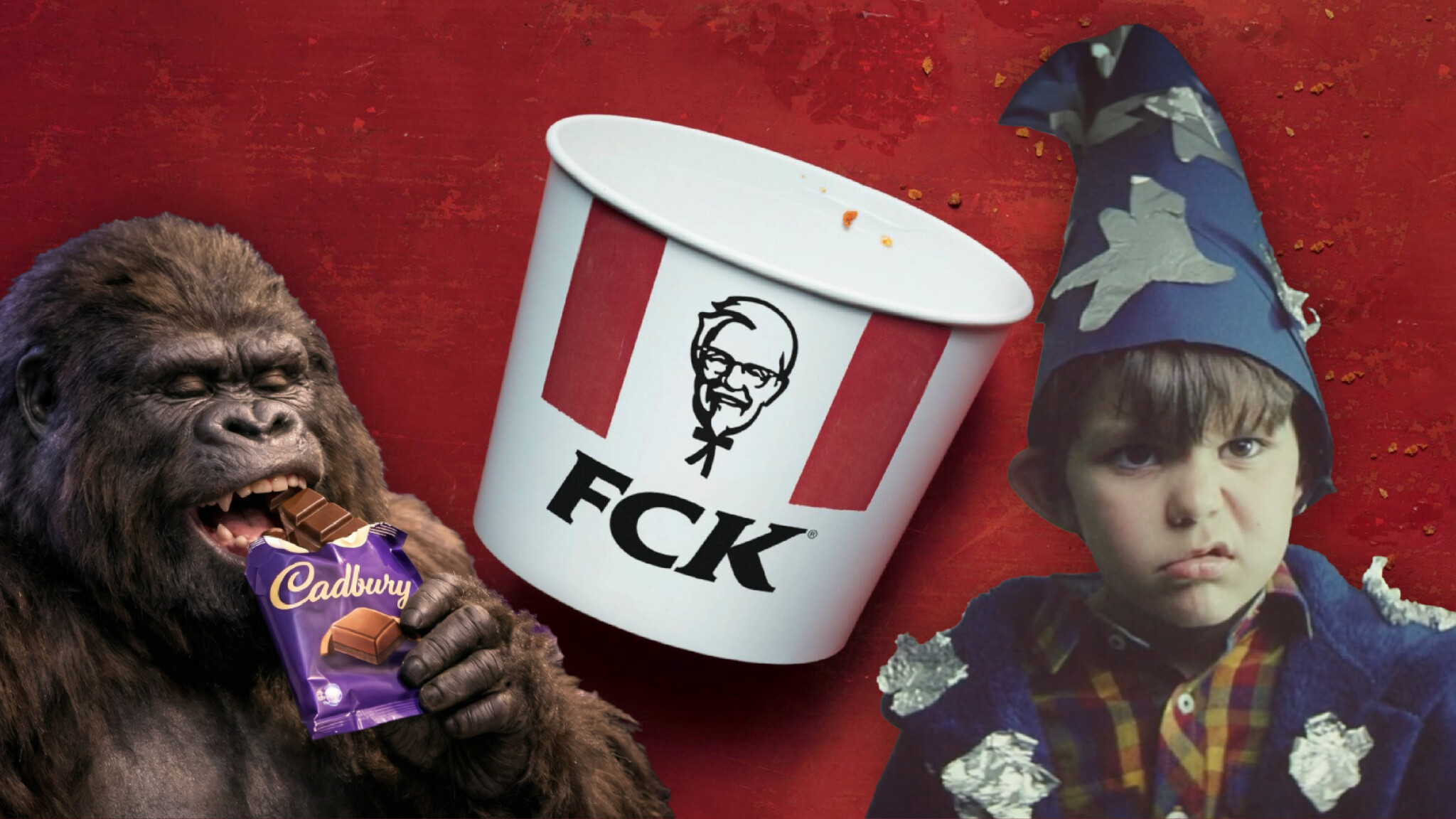
So what does deviance look like in practice? The study breaks it into five levers, ranked by how strongly each is linked to business results. Emotion comes first, with 40% more. Think of John Lewis’s The Long Wait, in which a boy is impatient for Christmas not to open his presents but to give one. The campaign helped John Lewis win the IPA Effectiveness Grand Prix in 2012. Feeling drives behaviour. Facts rarely do.
Provocation comes next, at 29%. When KFC ran out of chicken in 2018, Mother rearranged the letters on a bucket to spell “FCK”. It was a single print ad, yet it generated more than a billion impressions and brought KFC’s brand impression score almost back to where it was before the crisis. A grovelling corporate statement would have been forgotten by lunchtime.
Unexpected work is linked with 24% more business results. Cadbury’s drumming gorilla had nothing to do with chocolate, and that was the point. People talked about it, shared it and parodied it. The IPA case study records a 5% year-on-year rise in sales value in the month it launched, compared with a 7% decline earlier that year. Surprise earns attention, and attention earns sales.
Category-breaking is linked with 20% more. For decades, sanitary protection ads used blue liquid. Nobody questioned the convention because everybody followed it. In 2017 Bodyform and Libresse, both owned by Essity, swapped the blue for red. The commercial win came from being distinctive. One change of colour made the brand impossible to mistake for its competitors.
Visually arresting work comes fifth, at 13%. Burger King’s Moldy Whopper showed its flagship burger rotting over 34 days to prove it contained no artificial preservatives. Was it stomach-turning? Certainly. It also won the Cannes Outdoor Grand Prix and ran in several markets. Even the weakest of the five levers beats the timid option.
Does this mean brands should chase outrage? No, and the report is clear that provocation and controversy are not the same thing. Emotion and provocation pay when they speak to the customer’s own drives, such as belonging, status, a laugh or a lump in the throat. They backfire when a brand turns the camera on its audience and starts to lecture.
Bud Light shows the cost of misreading your own tribe. After a 2023 influencer tie-in, many of its core drinkers felt the brand no longer spoke to them. The company’s clumsy handling of the backlash then alienated people on the other side too. Within weeks, sales were down almost a quarter on the previous year, and Modelo took its place as America’s best-selling beer. Provocation aimed at your customers is a hook. Provocation that leaves them feeling like outsiders is a gift to your competitors.
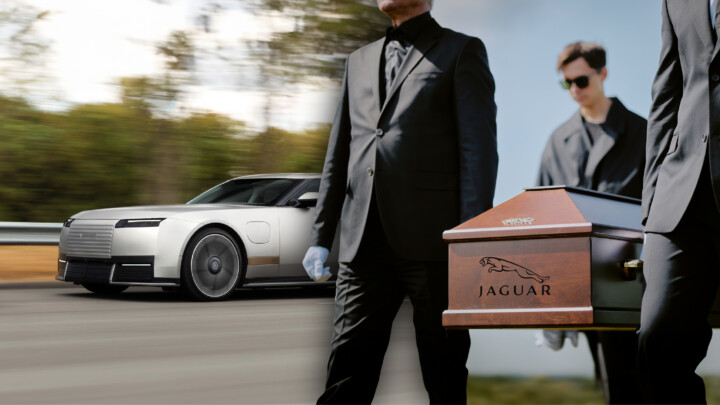
Then there is Jaguar. Its 2024 “Copy Nothing” rebrand certainly broke its category’s conventions, with a launch film that didn’t show a single car. What it also broke was the heritage that gave the badge its status. The Type 01, its first new car, is still to be revealed, so the final verdict will have to wait. Katie Hibbard, Publicis London’s chief strategy officer, gives the lesson already: “Distinctiveness is the foundation. Creative deviance is the multiplier.” Break your category’s rules, but never break your own brand.
That tension between two drives is what we build our work around. At Uncommon Sense we start with the audience’s biology: status, mate attraction, tribe, risk avoidance and novelty. Then we build creative that works with those drives, not against them. We also help clients hold their nerve when the familiar route starts to look tempting. Evidence, not trends. If your work is blending in, let’s talk.