A Year On: Charlie Kirk’s Mark on Conservative Media, and Beyond
10/09/2026 | Uncommon Sense
By · 15/09/2026 · 6 min read
The outrage says sexualisation. The marketing lesson is about agency, double standards and the oldest attention trigger in the book.
On 4 September 2026, Carlos Alcaraz beat Wu Yibing in the third round of the US Open, turned to the crowd, and changed his shirt. The front rows erupted. Women screamed and reached for their phones, and ESPN’s own SportsCenter account posted the crowd reaction with a laughing emoji. The broadcast team joked about it live, one host remarking that Alcaraz did not hit a shot all night that thrilled the crowd the way one young fan was thrilled to get a picture of him with his shirt off. Nobody said the word objectification. It was treated as good fun, because it was.
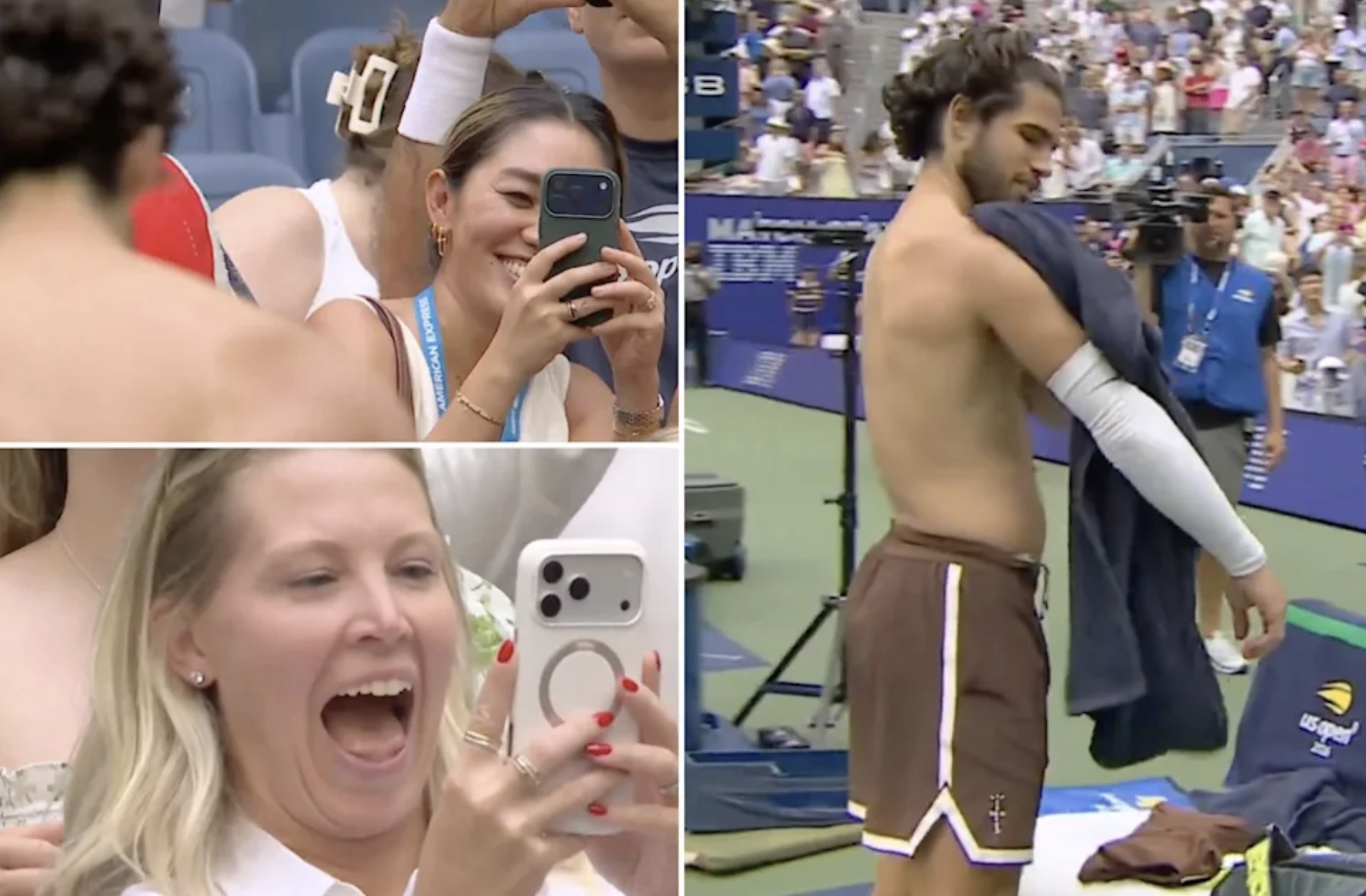
The shot of the night, according to the front rows. Alcaraz changes his shirt after beating Wu Yibing, US Open third round, 4 September 2026
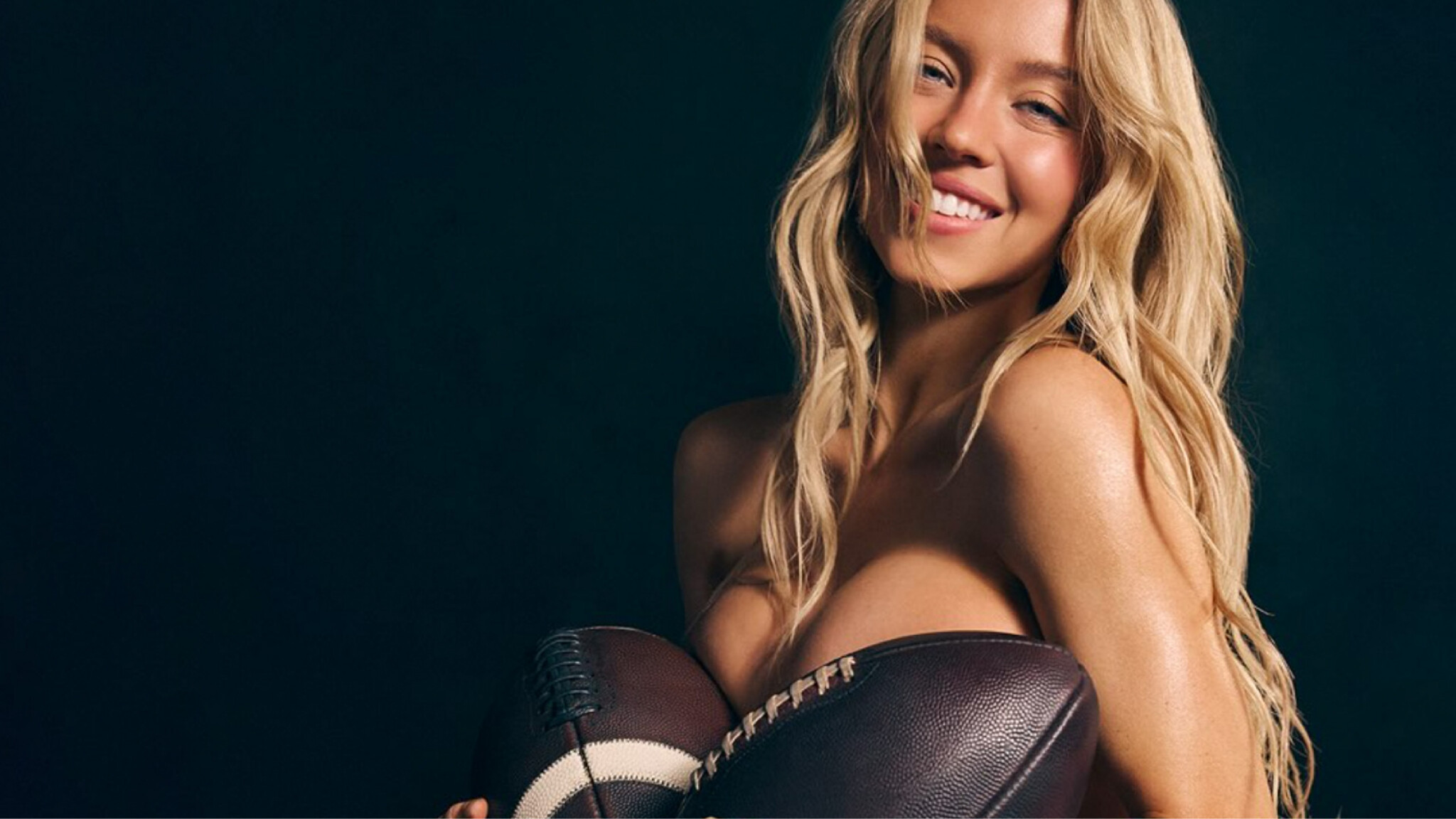
Five days later, on 9 September, a sports prediction market called Novig launched its first national campaign, timed to the NFL season opener. Sydney Sweeney appeared nude, her body covered by footballs, basketballs and hockey equipment, above the line “Think you know sports? Prove it.” It went viral within hours and racked up millions of views, and within days the condemnation arrived. Ariarne Titmus, four Olympic gold medals in the pool, said she could not describe how infuriated she felt. Tilly Kearns, Olympic silver in water polo, joined her. British athlete Lucy Davis told the industry to stop sexualising women in sport. Sweeney’s reply was to post covers from ESPN’s Body Issue to Instagram and say nothing further.
Two naked bodies in ten days, one set of rules between them. The double standard is real. But if that is all you take from the fortnight, you have missed the commercially interesting part, because the most inconvenient fact about the Novig campaign, the one almost nobody complaining about it has engaged with, is who was actually in charge of it.
Sweeney was not a model hired to take her clothes off. She approached Novig herself, asked for equity rather than a cash endorsement fee, and now sits on the cap table of a company valued at around $500 million after a February Series B led by Pantera Capital, her stake undisclosed, which means every share of the outrage pays her. She helped shape the creative and co-wrote one of the campaign’s main lines; she has said before that she does not like to just put her face on something, and this deal is what that principle looks like in practice. So the objectification charge requires you to believe something strange: that a woman who negotiated her way into ownership of a half-billion-dollar company, then co-wrote the advert she appears in, is the object in that advert. That is not a woman being used by a marketing machine. That is a woman operating one.
The athletes are not wrong to be angry, and it would be cheap to pretend otherwise. Titmus is a four-time Olympic champion, not a press officer, and the grievance underneath her fury is legitimate; women’s sport spent decades fighting to be covered as sport rather than as bodies, and that fight was necessary and hard-won. But look at who actually did the sexualising. It was done not by a betting startup but by their own governing bodies, their own broadcasters and their own sponsors. ESPN ran the Body Issue, an annual magazine of nude athletes, for eleven years. The same ESPN whose SportsCenter account posted the Alcaraz clip with a laughing emoji five days before the Novig ad dropped. Sweeney, meanwhile, is an actress holding a baseball bat in an advert for a gambling app. Calling that the sexualisation of women’s sport is a category error, and the practical effect of the error is that the anger has landed on the one party in the whole chain with no power over how women’s sport gets covered.
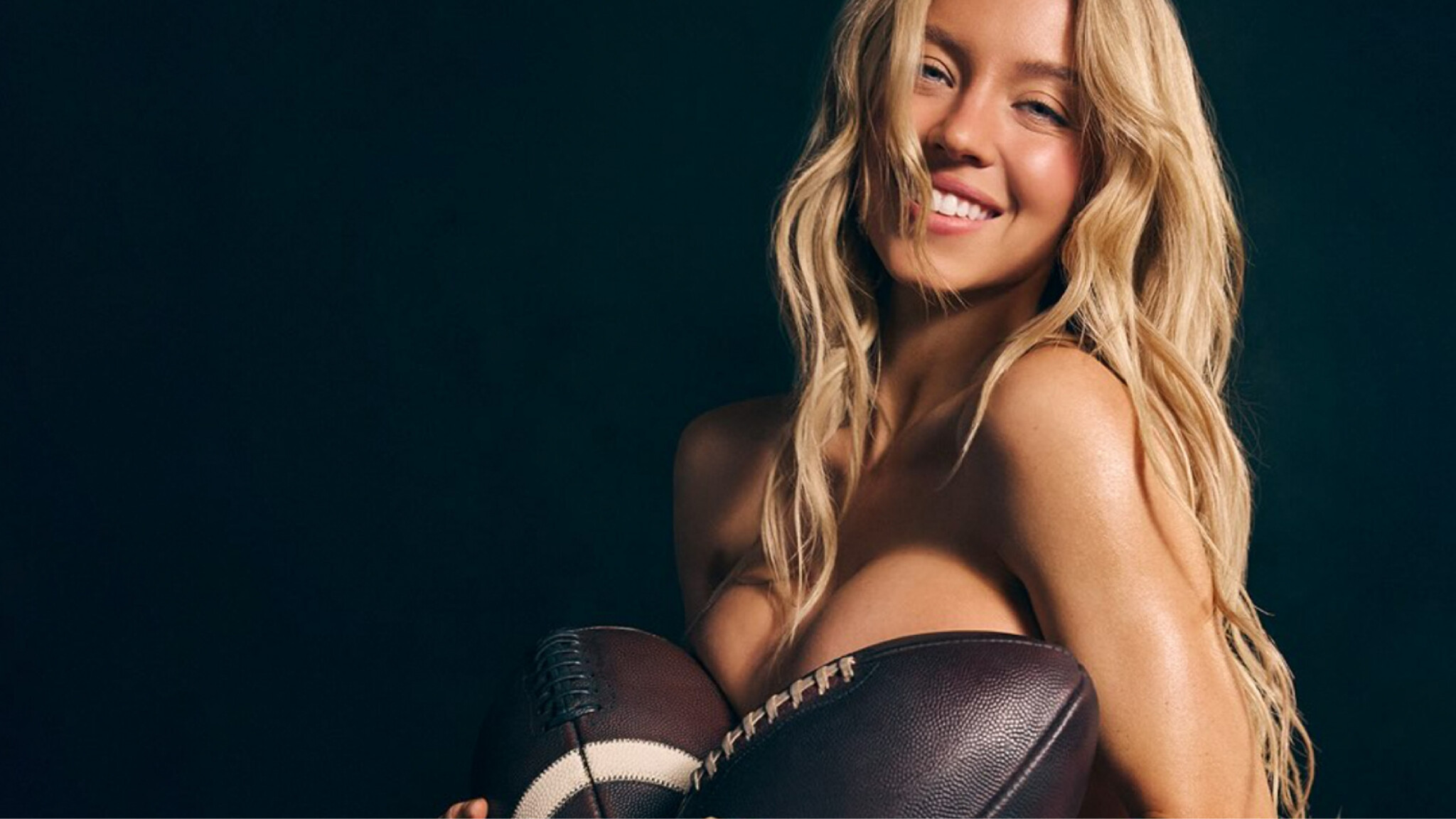
One shoot, a fortnight of the internet's attention, and a media budget a fraction of DraftKings'.
Even they are not really the villains. ESPN and Stade Français were doing what every business that has ever survived does, which is to find one of the oldest drives in nature and put a price on it. Being furious with them for that is like being furious with McDonald’s for capitalising on hunger. The appetite predates the golden arches by a few million years and will outlast them, and the firm that serves it is not the reason you are hungry. Nobody invented the drive. They noticed it was reliable, and reliability is the only thing a marketing budget is ever really buying.
And the trade in athletes’ bodies has never run one way. The French rugby club Stade Français has produced Dieux du Stade, a nude calendar of its own male players, since 2001, conceived by club president Max Guazzini explicitly as marketing, to promote the club and change the image of rugby. It worked: roughly 180,000 copies a year at its peak, around 1.6 million sold by 2019, shot by photographers of the calibre of Peter Lindbergh, with proceeds going partly to a breast cancer charity. A sporting institution monetised its athletes’ naked bodies for two decades as deliberate commercial strategy, and the world called it art. Alcaraz himself was whistled at for the same shirt change at the Australian Open in 2025, and the only people who objected were fans pointing out the inconsistency.
The lazy version of the commercial argument is two words long, and I will not use them, partly because the research behind the phrase is mixed. Sexual imagery reliably buys attention; the evidence on whether it improves brand recall or purchase intent is far less settled, and anyone who tells you otherwise is selling you a shoot. The real argument is about drives. Attraction is one of a small number of innate motivations that pre-date advertising by a very long way, and it operates on men and women alike, with different triggers and different expressions, as the Alcaraz clip demonstrated in real time. The women in Arthur Ashe Stadium were doing what women have done since there were men worth looking at, which is why the moment read as funny rather than sinister. Marketing that works with this machinery outperforms marketing that pretends it is a social construct invented by advertisers.
Why did Novig do it? The company cannot outspend DraftKings or FanDuel, who buy media by the hundred million, so it bought a fortnight of the entire internet’s attention for the price of one shoot, and the loudest objectors became its distribution network, amplifying the campaign to audiences no media budget could have reached. The CEO said the quiet part on the record: Sweeney is great at being the centre of attention, and it forces the company into the national discourse. He announced the strategy in advance and it worked anyway (there is something almost admirable about a magic trick that succeeds after the magician explains it). Novig’s own numbers are not in yet; the ad is days old. But when Sweeney sat at the centre of the American Eagle row last year, the outrage cycle ran its course and sales jumped.

American Eagle's share price rose 25% the day it reported, and the jeans in the campaign sold out inside a week.
The strongest objection to Novig has nothing to do with Sweeney’s body and everything to do with what the app does. It is a gambling advert, and a fortnight of national argument about nudity meant almost nobody spent a minute on the fact that a betting company had just bought the country’s undivided attention. The outrage picked the wrong target twice.
The lesson for marketers is not to be more provocative, since provocation without judgement is just noise with a legal bill, but to stop briefing against human nature. The drives that moved a stadium of women to scream at a 23-year-old’s torso, and moved millions to look at an advert they claimed to despise, are older than the industry and entirely indifferent to what anyone thinks of them. One small company understood that and collected a fortnight of free national attention. Most of its competitors are still workshopping a brand purpose statement.
We write about the campaigns everyone is arguing about, and the commercial decisions hiding underneath them. No purpose-washing, no trend-chasing, no hedging.