
Sydney Sweeney’s Latest Ad Worked. That’s Why People Are Angry.
15/09/2026 | Lee Taylor
By · 17/06/2026 · 3 min read
Westminster spent Monday congratulating itself. Keir Starmer stood outside Number 10 and announced that under-16s will be barred from Snapchat, TikTok, Instagram and the rest, backed, we were told, by nine in ten parents. The papers ran the obvious debate: does it protect children, or does it patronise them? Marketers watching the announcement should have been asking a different question, because the people who lose most here are not the platforms and not the teenagers. They are the brands that pay the platforms’ bills.
The thing nobody in advertising wants to say out loud is that a ban like this does not remove an audience. It hides one. Australia tried the same move in December, the first country in the world to do it, and within twenty-four hours the free VPN provider Windscribe reported a 400% jump in installations. Britain has already run this experiment once. When the Online Safety Act’s age checks arrived last summer, UK VPN usage reportedly surged by several thousand per cent in a matter of days. People do not meekly accept being locked out of the internet; they route around it, and they teach their friends to do the same.
Here is where it gets expensive for everyone selling something online. The industry has spent a decade discovering that lecturing your own customers drives them away; the ban delivers a quieter version of the same punishment, because a VPN does not just unlock a banned app. It strips out the location, the device signals and the behavioural breadcrumbs that the whole digital advertising machine depends on to know who it is talking to. Targeting goes blind. Measurement goes soft. Attribution, already held together with sticky tape and optimism, falls apart the moment a meaningful slice of the country appears to be browsing from a server in Singapore. And it will not only be the kids. Picture the average household: Mum installs a VPN so her fourteen-year-old can still message his mates, and now the entire family’s traffic runs through it; Dad, who never much liked the idea of handing his passport to a Californian age-verification firm, keeps it switched on out of principle. One clumsy law, and a perfectly ordinary home has gone dark to every advertiser in the country.
The government’s own press release boasted about putting power back in parents’ hands. They will get their wish, though not in the way Liz Kendall imagined. Give people a wall and a reason to resent it, and a good number of them will learn to climb. The supposedly law-abiding middle, the parents who have never knowingly broken a rule in their lives, are about to find out how easy it is to make themselves invisible to the state and to the brands riding along behind it. That habit, once learned, does not switch itself off when the children turn seventeen.
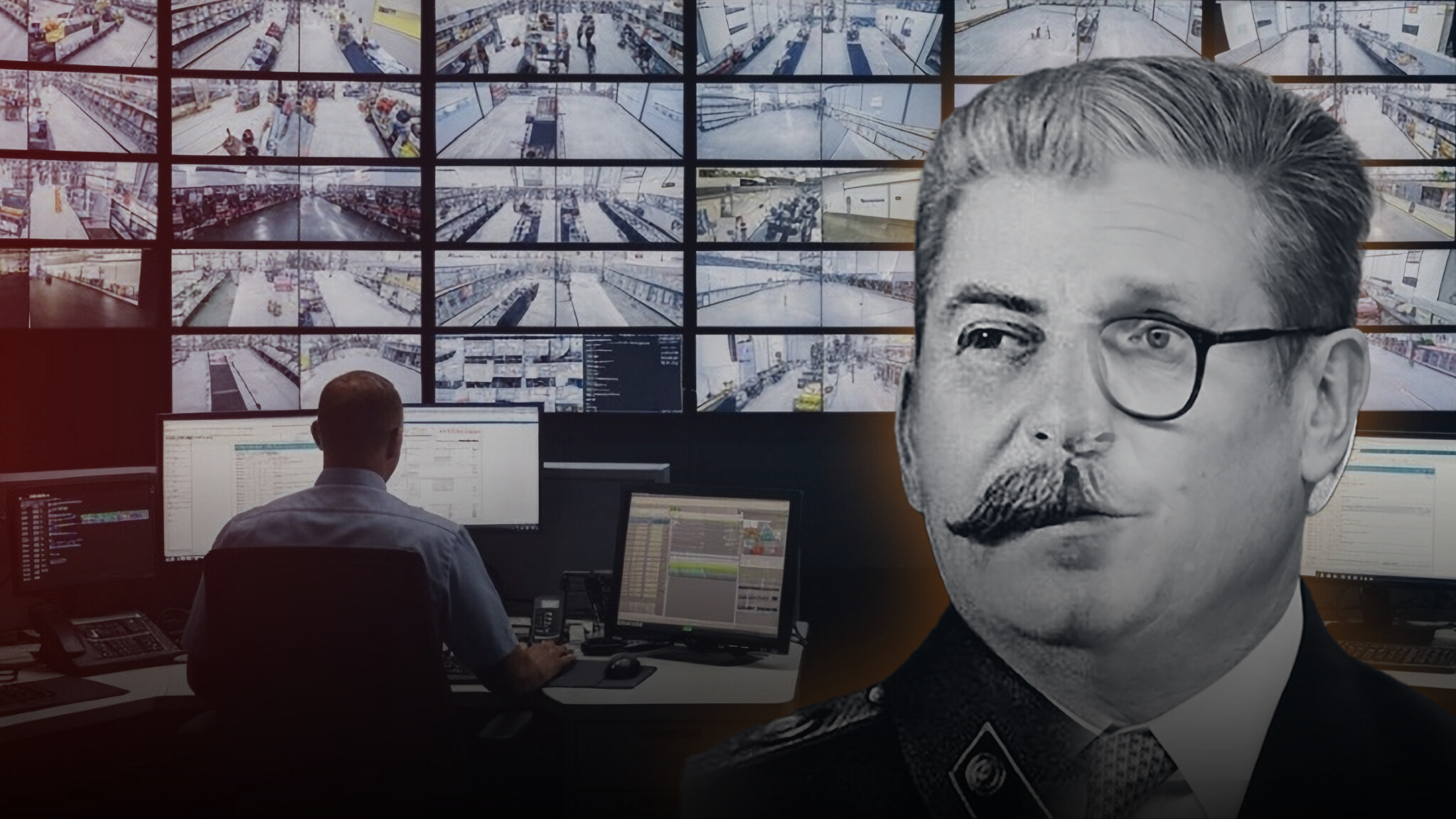
Step back and look at the machinery being assembled, because it should worry anyone who still claims to believe in a free country. A government now decides which websites its citizens may visit. It demands you prove your identity before you are allowed to scroll or speak, which is digital ID by another name, dressed up as child protection. It already jails people for posts on Facebook, leans on the regulator to police what the rest of us may see, and files dissent under the heading of public safety. The methods are not those of a confident liberal democracy. They are borrowed, almost wholesale, from the regimes we used to call communist: control the information, license the speech, watch the population, and punish anyone who steps out of line. We pointed at Beijing for decades and felt superior. We should be looking a good deal closer to home.
So spare me the hand-wringing about whether banning Snapchat saves childhoods. The interesting story is commercial, and it is bleak for anyone who sells attention. Every heavy-handed intervention from Whitehall does the same thing: it trains ordinary people to disappear, and it corrodes the data that British advertising has spent twenty years learning to trust. The children will be fine. They always find a way through. It is the brands, blind and bidding on traffic they can no longer see, who should be worried.
