‘People and Planet Before Profit’ Is Either False or Fatal
23/07/2026 | Lee Taylor
By · 30/07/2026 · 3 min read

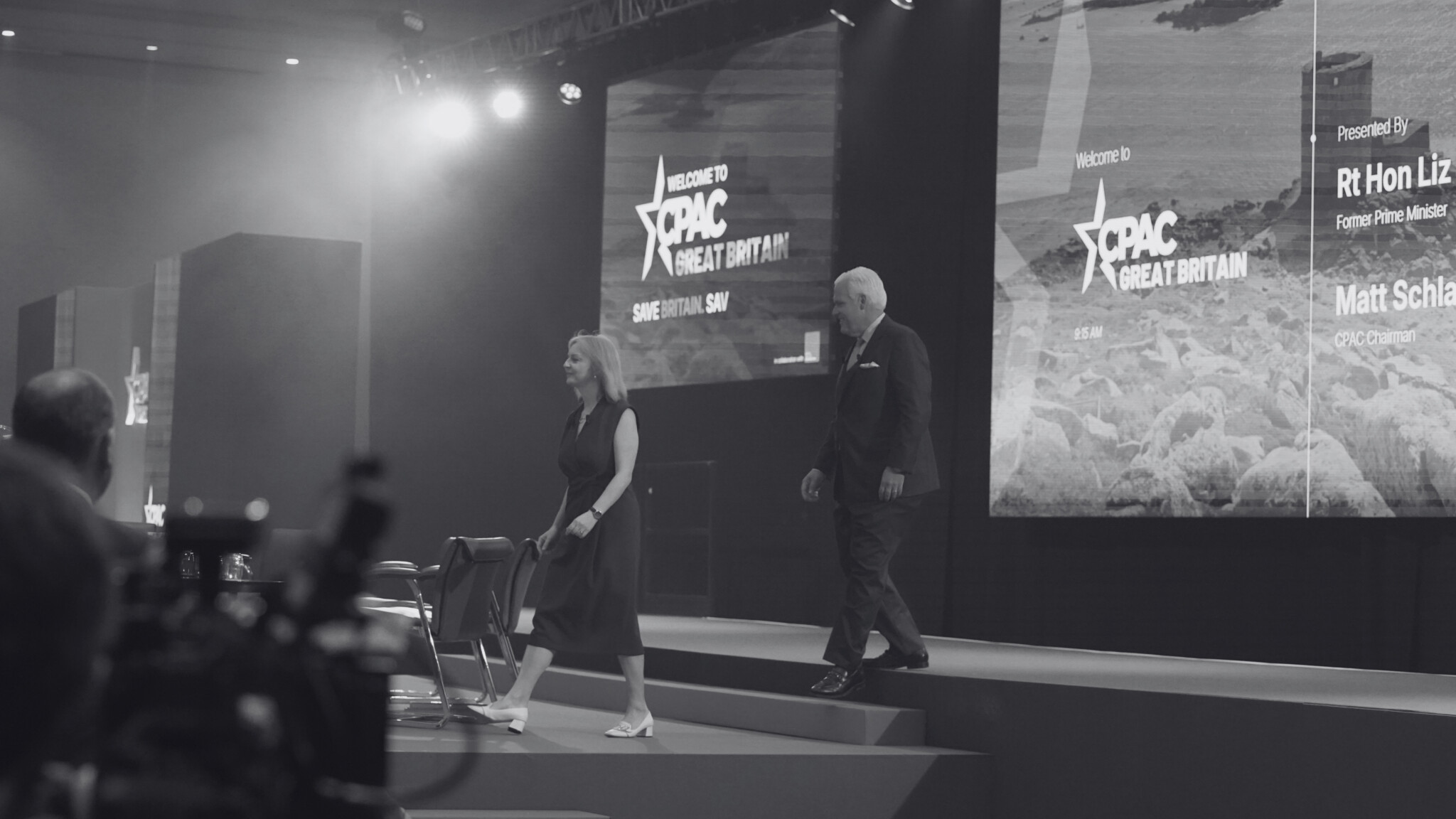
Former Prime Minister Liz Truss takes the stage with CPAC chairman Matt Schlapp on the opening morning.
Two versions of CPAC Great Britain now exist. In one, written by journalists who dropped in on the InterContinental by the O2 for an hour or so, a half-empty ballroom told the whole story. In the other, which unfolded over three full days in the sessions, the exhibition space and above all the corridors, something rather more interesting was going on.
Uncommon Sense spent all three days there, which allowed us to describe the version the press walked past.
Start with what the event actually was. An inaugural conference, announced by Liz Truss in Texas in March and delivered in London four months later. Nigel Farage headlining. Three days of programming. Was it the ten-thousand-seat American jamboree? No, and a first edition was never going to be. Anyone judging a launch event against a fifty-year-old institution is not making a serious comparison. They are making a headline.

Matt Goodwin held the floor on migration and Europe, and captivated the room doing it.
But headcounts were always the wrong measure. The value of a conference has never lived in the count of seats filled; it lives in what the room sets in motion. On stage, the speakers set the agenda: migration, the state, the direction of the British right. Exactly the topics you’re told not to raise at a dinner party, and exactly the ones the mainstream should be putting on air. Off it, that agenda kept moving. The corridors at CPAC GB were doing brisk trade all weekend, with publishers, podcasters, campaigners and founders meeting, debating, swapping numbers and doing business. The main stage gave them something worth arguing over. What the press reported as an attendance problem was, from where we stood, a market forming.
Three additional things stood out.
First, the audience was engaged in a way that most conferences would kill for. These were not delegates sent by their employers, half-watching the stage while clearing their inbox. They had chosen to be there, often travelling a long way to do it, and they leaned in.
Second, and more striking: disagreement was welcome. This was not a room of people nodding along to applause meaningless, overused statements. Time and again we watched attendees seek out the arguments they didn’t agree with, precisely because testing a position is how you come to understand your own. That instinct – debate as a feature, not a threat – tells a brand something valuable. An audience that can handle being challenged is an audience you can actually talk to. You do not have to walk on eggshells around it. You have to interest it.
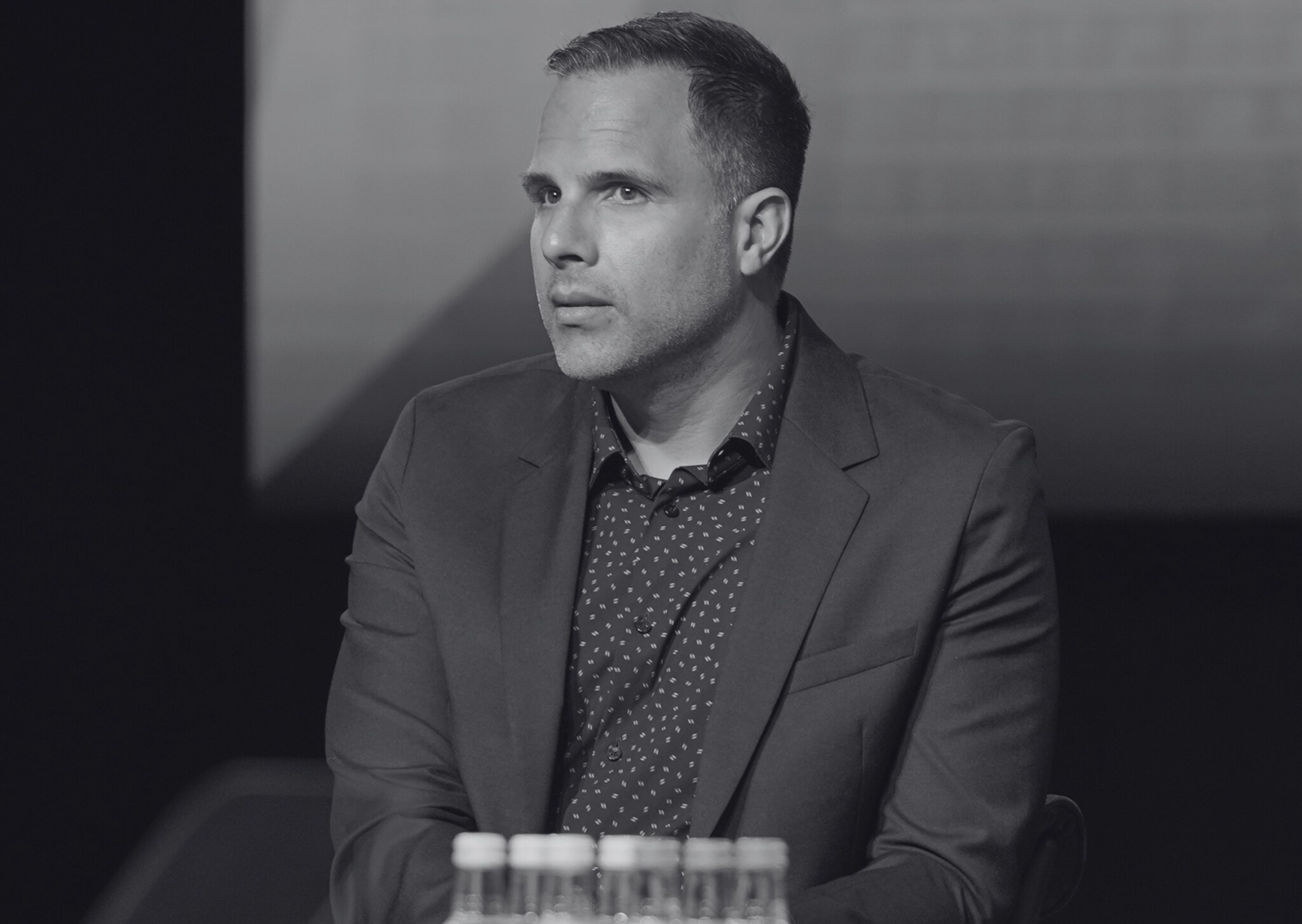
CPAC ran a run of captivating panels across the three days. Here, Dan Wootton joins one, as ideas were contested in real time in front of the audience.
Third, the calibre of people. There were some genuinely impressive entrepreneurs in that building: media founders, business owners, people quietly building real things. And “quietly” is the word. They were unassuming almost to a fault – a refreshing contrast to the narcissism that dominates so much of the media and marketing class, where the personal brand arrives twenty minutes before the person. (You learn a lot about a room by who isn’t performing in it.)
Put those three together and you get the story that mattered. CPAC GB assembled, in one building, the British wing of a media economy the mainstream still refuses to take seriously: independent publications and shows with audiences in the millions, engagement the legacy titles would envy, and advertising space that most agencies will not touch. The press came looking for empty chairs. The commercial opportunity was standing in the corridor the whole time.
Credit, too, where it is due. Truss said in Texas that she would bring CPAC to Britain, and by July it existed – venue, speakers, programme, done. In a media environment openly hostile to the project, delivering that in four months is an achievement on any fair reading. Foundations are laid at first editions. The judgement that counts comes later.
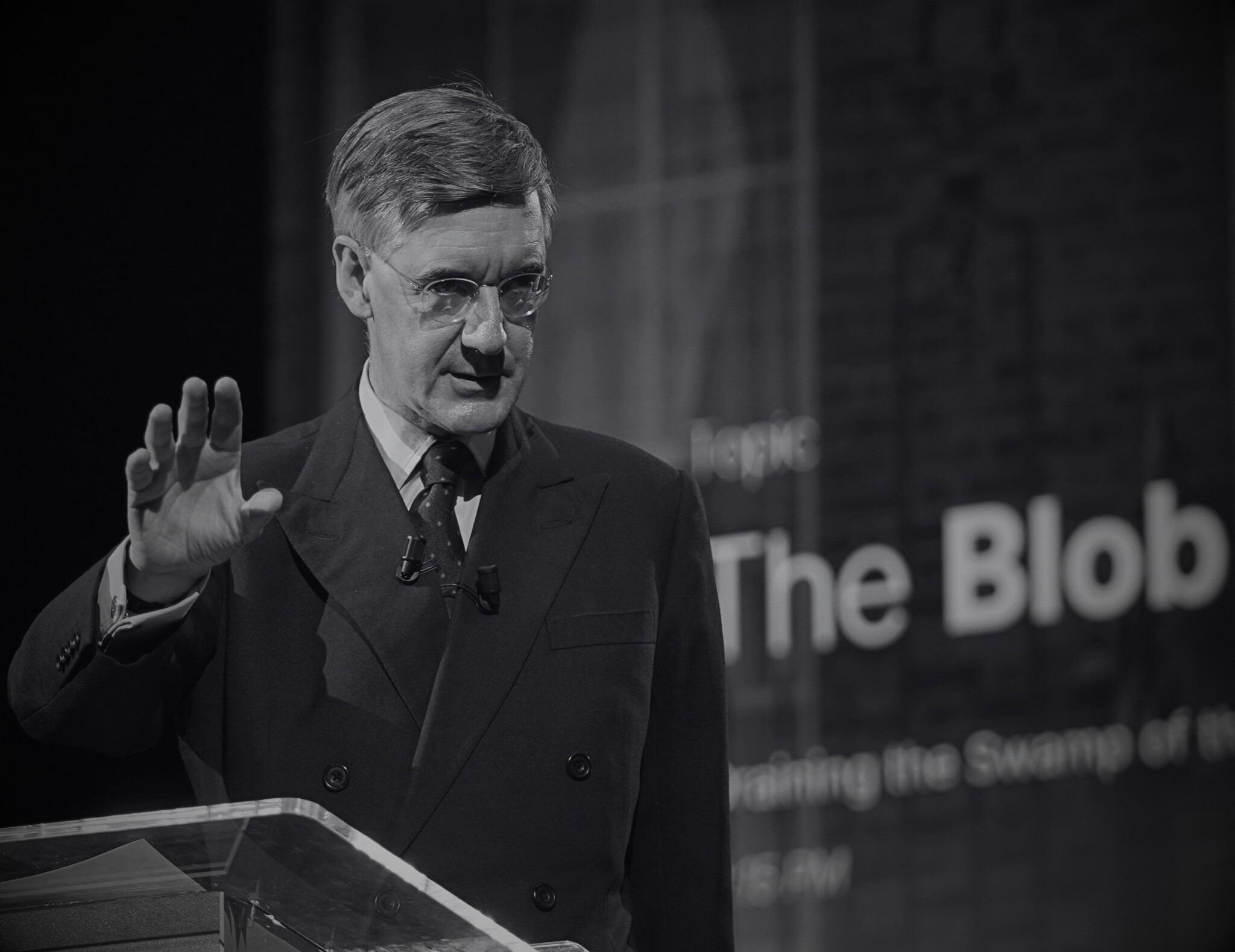
Jacob Rees-Mogg used his turn on the programme to take aim at Whitehall, arguing for power taken back from an unelected civil service.
None of this surprised us, because this is the world Uncommon Sense works in every day. We connect brands with these audiences through our independent media advertising network, and events like this one confirm what the numbers already tell us: the audiences are real, they are growing, and they are listening.
The press can keep counting chairs. We will keep doing business in the corridors.
All photography in this article was shot in-house by Uncommon Sense. To reuse any of these images, please get in touch.