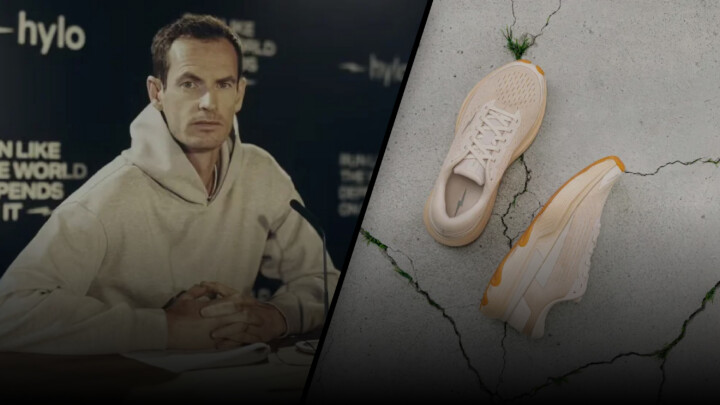
Andy Murray’s Seaweed Shoes and the Problem With Selling Virtue
02/04/2026 | Lee Taylor
By · 05/04/2026 · 5 min read
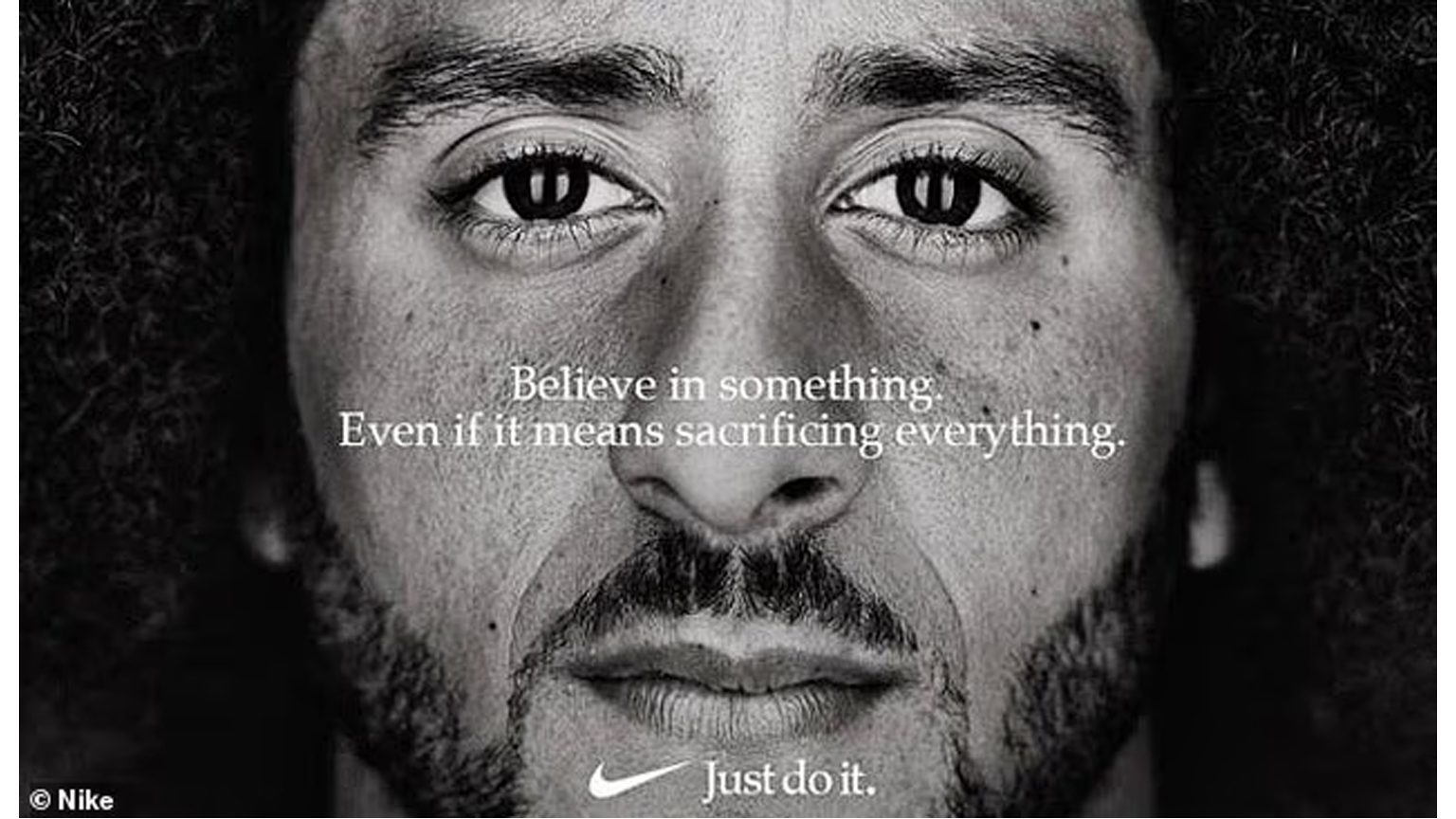
Cast your mind back to 2018. Colin Kaepernick, fresh from kneeling during the national anthem and effectively torpedoing his NFL career, was unveiled as the face of Nike’s new campaign. “Believe in something. Even if it means sacrificing everything.” Bold stuff. The advert was slick, the coverage enormous, and Nike’s stock actually ticked up in the weeks that followed. The message from the marketing class was clear: purpose-driven branding works, you dinosaurs.
Well. How’s that working out?
Nike’s share price hit an 11-year low on 1 April, and no, it wasn’t an April Fools’ joke. The company has shed roughly 75 per cent of its value since its 2021 peak. It’s now worth under $68 billion – about a third of the market capitalisation of TJ Maxx, a discount retailer that sells other people’s leftover stock. The most iconic sportswear brand on the planet, the company that had Michael Jordan, is now worth a fraction of a shop that flogs last season’s surplus at knockdown prices.
The latest earnings call was grim. Nike is forecasting a 4 per cent revenue decline this quarter – roughly $500 million in lost sales. CEO Elliott Hill, who took the reins in October 2024, struck an unusually candid tone in a leaked all-hands meeting. “I’m so tired, and I know you are, too, of talking about fixing this business,” he told staff. “I want to move to inspiring and driving growth and having fun.” You can almost hear the exhaustion through the transcript.
So what went wrong? Three things, principally, all connected by a common thread.
The first is ideological drift. Nike spent the best part of a decade aligning itself with woke cultural causes – Kaepernick, Megan Rapinoe’s US Women’s Soccer collection, and more recently a partnership with nonbinary esports player Dominique McLean. There’s nothing inherently wrong with sponsoring athletes or cultural figures; that’s what sportswear companies do. But there’s a difference between sponsorship and activism, and Nike crossed that line repeatedly. The all-female Super Bowl advert was another case in point – a piece of advertising more interested in making a statement than selling trainers. Consumers noticed. Not the ones on Twitter who applauded loudly and moved on, but the ones who actually buy shoes in volume. The kind of bloke who walks into a Foot Locker on a Saturday and drops £120 on a pair of Air Max. He doesn’t want a lecture.

Nike paid trans ‘woman’ Dylan Mulvaney to promote one of its sports bras, sparking a boycott
I wrote about this broader trend back in 2022 – purpose-driven advertising that prioritises ideology over product. The chickens have well and truly come home to roost.
The second failure is strategic. Under former CEO John Donahoe, Nike pulled back from wholesale partners – Foot Locker, Dick’s Sporting Goods, and others – in favour of a direct-to-consumer model. Cut out the middleman, sell through your own stores and website, keep the margin. Sounds lovely on a PowerPoint slide. Except what Nike actually did was surrender shelf space, giving up the physical real estate where millions of customers browse, compare, and buy on impulse. Who filled the gap? Adidas. Hoka. On Running. Brands perfectly happy to take the space Nike vacated and build the relationships Nike snubbed. By the time Nike crawled back to Amazon in May 2025 after a five-year hiatus, the damage was done. You can’t abandon your distribution network and expect it to welcome you back with open arms. That’s not how trust works; not in business, not anywhere.
The third problem is China. Sales there are projected to fall 20 per cent next quarter, following an 11 per cent drop in the most recent period. Retail analyst Neil Saunders put it plainly: “Nike is still falling out of favour with customers who find other brands, including local ones, more appealing.” When your domestic brand is weakened by ideological baggage and strategic blunders, you need international growth to paper over the cracks. China was supposed to be that growth engine. It isn’t.
Here’s what ties all three together. Nike forgot what it was for.
A sportswear company exists to make products that athletes and consumers want to wear, price them competitively, and distribute them where people actually shop. That’s it. The brand mythology, the cultural cachet, the aspiration – all of that flows from getting the fundamentals right. “Just Do It” worked because it was about *doing things*. Performance. Pushing yourself. Not politics. Not making consumers feel virtuous for buying a pair of trainers.
The marketing departments lost the plot. They convinced themselves that brands needed to “stand for something” beyond their products, that younger consumers would only buy from companies sharing their values. For a brief window, when the cultural winds blew in one direction and social media rewarded performative virtue, it looked like they were right. But the winds shifted. Consumers got tired of being preached at. They started spending elsewhere – quietly, without burning anything on YouTube. The backlash wasn’t dramatic. It was slow, steady erosion; like trying to keep cupped water in your hand.
Nike needs to rebuild wholesale relationships it damaged, recapture share from competitors who’ve been eating its lunch for three years, and reconnect with Chinese consumers who have perfectly good domestic alternatives. All while carrying the reputational weight of years of activist branding that alienated a substantial chunk of its core customer base.
Can it be done? Possibly. Nike still has extraordinary brand recognition and enough cash to weather the storm for a while yet. It takes a long time for a whale washed up on a beach to decay to just bones. But the competition isn’t standing still.
Nobody wants woke narratives shoved in their face, a consumer is not an activist.
The lesson isn’t complicated. Make good products. Sell them where your customers are. Stop treating your brand as a vehicle for political activism. The companies that remember this will thrive. The ones that don’t will keep wondering why the stock price won’t recover while their competitors run away with the market.
Nike used to tell us to just do it. Perhaps it’s time they took their own advice.